


Reference · Crops
Medlar
Mespilus
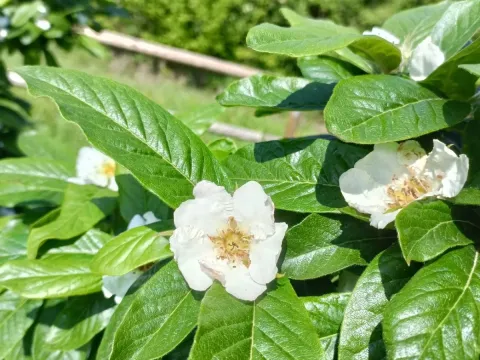
Mespilus germanica, commonly known as the medlar, is a deciduous tree belonging to the Rosaceae family. It originates from Southwestern Asia and Southeastern Europe.
1
items
What the section contains
Marketplace
Products in this section · 1
Medlar
The tree thrives in sunny locations protected from strong winds. It is relatively hardy, capable of tolerating moderate frost and cold winters typical of temperate climates.
Medlars prefer fertile, well-drained loamy soils. They do not tolerate waterlogged conditions, so choosing a site with good drainage is crucial for tree health.
Cultivation practices include structural pruning during the dormant season to maintain an open canopy and regular application of mulch to retain soil moisture.
The medlar serves both ornamental and culinary purposes, producing unique, vitamin-rich fruits that play an important role in traditional local agriculture.
The most common disease affecting medlar trees is scab, which creates unsightly lesions on leaves and fruit, potentially reducing overall yields.
Fire blight is a serious bacterial threat to the Rosaceae family, necessitating prompt pruning of infected branches to prevent systemic spread throughout the tree.
Pests such as aphids can cause stunted growth in young shoots, while codling moth larvae may tunnel into the developing fruits during the summer season.
Integrated pest management, including monitoring and biological control, is highly effective for maintaining healthy trees and producing high-quality yields.
Sanitation practices, such as clearing fallen leaves and debris around the tree base, are essential to minimize the overwintering of pathogens in the soil.
Medlar fruits are harvested in late autumn, ideally after the first frost, which triggers the ripening process known as 'bletting' within the fruit.
At the time of picking, the fruit remains firm and astringent. It must be stored in a cool, ventilated area until the flesh softens and turns a deep brown.
When fully bletted, the fruit develops a complex, cider-like, sweet flavor profile, making it a highly desirable ingredient for artisanal food production.
Post-harvest storage should be handled carefully to avoid bruising the delicate fruit skins, as damaged areas are highly susceptible to secondary rot.
Culinary uses for harvested medlars include jellies, preserves, desserts, and traditional fruit cheeses, which remain popular in various regional cuisines.