
Mongolian cherry
Prunus mongolica
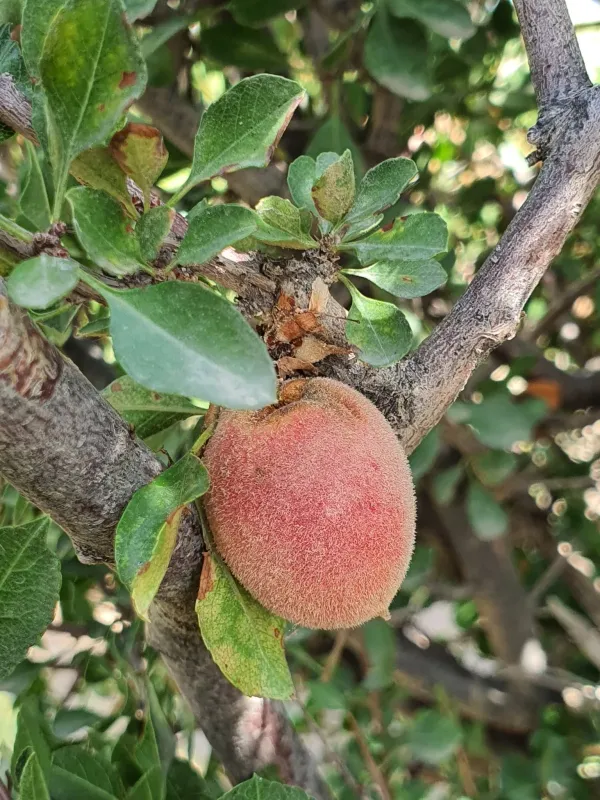
Description
Growing requirements
The Mongolian cherry, known botanically as Prunus mongolica, is a resilient shrub belonging to the Rosaceae family. It is native to the harsh environments of Mongolia and parts of Northern China, where it thrives in arid and semi-arid conditions.
This species is highly adapted to extreme continental climates. It is characterized by a strong tolerance to drought, intense heat during summer, and severe cold during the winter months, making it a robust candidate for difficult growing sites.
Botanically, it forms a low, densely branched shrub that often features thorny stems. This adaptation helps protect the plant from grazing animals in its natural steppe habitat. The leaves are typically small and tough to minimize water loss.
Regarding soil requirements, the Mongolian cherry prefers well-drained, sandy, or rocky soils. It is remarkably indifferent to low soil fertility and can successfully establish itself in alkaline or limestone-rich substrates where other fruit species would fail.
Sunlight is critical for the development of the Mongolian cherry. It should be planted in a full-sun location to ensure proper growth and fruit production. Shady areas often result in leggy growth and increased susceptibility to fungal diseases.
Yield
The fruit of the Mongolian cherry is small and typically round. While not as commercially developed as common orchard plums, the fruits are edible and often harvested for local culinary use, including the production of preserves and dried fruits.
Yield capacity is moderate and heavily influenced by climatic stability during the early spring flowering period. As an early bloomer, the plant may occasionally suffer from late spring frosts which can impact the annual production cycle.
In modern agriculture, this species is highly valued as a genetic resource. Breeders use it to introduce cold-hardiness and drought resistance into new cultivars of domestic plums, enhancing the resilience of future fruit crops.
Beyond fruit production, the species serves an important ecological role. It is frequently utilized in reforestation and land stabilization projects, particularly in regions prone to soil erosion due to its deep and extensive root system.
Harvesting typically occurs when the fruits are fully ripened and have developed their specific flavor profile. Hand-picking is the standard method, as the shrub's size and thorny nature make mechanical harvesting difficult and impractical.
Main diseases and pests
The Mongolian cherry is susceptible to several fungal diseases, particularly in humid climates. Leaf spot and various forms of fruit rot can occur if air circulation is poor or if the foliage remains wet for extended periods.
Pest management is essential, with aphids and fruit moths being the primary concerns. Monitoring the plant during the early growth stages is crucial to prevent infestations that could potentially weaken the shrub and reduce overall vigor.