
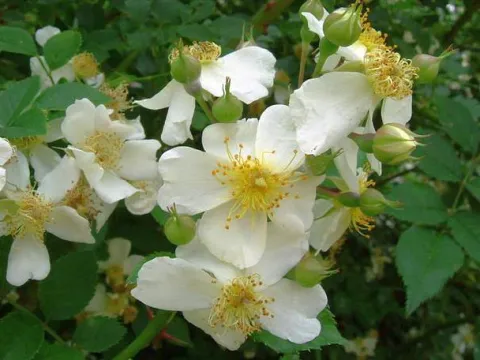
Memorial rose
Rosa lucieae
The Memorial rose (Rosa lucieae) is a perennial shrub belonging to the Rosaceae family, widely recognized for its trailing growth habit. Native to East Asia, specifically Japan and Korea, this species has historically evolved in diverse climates ranging from coastal sand dunes to rugged mountains.
What the section contains
Memorial rose
For optimal growth, this plant requires full sun exposure and well-drained, fertile soil. It is highly adaptable to various soil types, but performs best in loamy or sandy soil enriched with organic matter. Ensuring a proper drainage system is critical to prevent root rot during rainy seasons.
Climatic requirements for this rose include a temperate environment, though it possesses moderate cold tolerance. In colder regions, providing winter protection or mulching around the base is advisable to ensure the survival of the creeping stems throughout the winter months.
Cultural practices involve regular maintenance pruning to encourage density and health. Fertilization should be balanced; nitrogen-rich fertilizers are used early in the spring, while phosphorus and potassium are essential later in the season to support bloom production and winter preparation.
The economic and aesthetic value of Rosa lucieae is significant in landscape architecture. It is extensively utilized for bank stabilization, erosion control on slopes, and as a decorative groundcover. Furthermore, it serves as an important genetic source for breeding modern climbing and landscape roses.
Common botanical threats include fungal pathogens such as black spot and powdery mildew, which thrive in humid and stagnant air conditions. Good hygiene, such as removing fallen leaves and pruning to maintain airflow, is essential to mitigate these risks effectively.
Pests like aphids and spider mites can cause significant damage by piercing foliage and stems. Growers are encouraged to monitor plants regularly and apply appropriate insecticidal soaps or horticultural oils during the early stages of infestation to protect the overall vitality of the shrubs.