
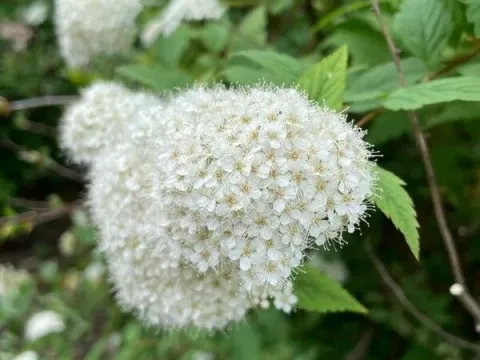
Miyabe spirea
Spiraea miyabei
Miyabe spirea (Spiraea miyabei) is a deciduous shrub belonging to the Rose family (Rosaceae). Native to Japan and parts of East Asia, this species has adapted to diverse mountain environments, making it a distinctive choice for temperate garden landscapes.
What the section contains
Miyabe spirea
This shrub thrives in well-lit areas where it can receive sufficient sunlight to produce its signature blooms. It requires fertile, well-draining soil with a neutral to slightly acidic pH, which supports robust root development and healthy annual growth cycles.
Climatic requirements involve moderate moisture levels throughout the growing season. While established plants show reasonable hardiness, they benefit from consistent watering during the initial stages of establishment and during extreme drought to prevent foliage scorch.
Agronomic management relies heavily on periodic pruning to maintain the plant's structural integrity. By removing spent blossoms and thinning out old wood immediately after flowering, gardeners can stimulate vigorous new growth and ensure a display of flowers in the following year.
Host plant utilization is centered on ornamental applications. Its versatility allows it to be used effectively in mixed shrub borders, informal hedging, or as a decorative specimen plant that adds texture and visual interest to a garden setting.
Spider mites are the primary pest concern for Miyabe spirea, particularly during periods of low humidity and high temperatures. These pests feed on the underside of leaves, and early detection is vital to prevent significant damage to the plant's health.
Leaf rollers and other chewing insects may occasionally infest the foliage. While usually not fatal to the shrub, these pests can cause unsightly damage, and light infestations can often be managed by manual removal or the application of organic insecticidal soaps.
Fungal diseases, including powdery mildew, can manifest in sites with poor air circulation. Improving spacing between plants and ensuring proper pruning can significantly decrease the risk of disease spread by allowing foliage to dry quickly after rain.
Root rot is a common risk if the soil remains waterlogged. Providing proper drainage during the planting process and avoiding over-irrigation are the best strategies to protect the root system from moisture-related pathogens.
Integrated pest management, combining preventative care and targeted treatments, ensures the long-term viability of the shrub. Maintaining healthy, vigorous plants through proper soil fertilization and sanitation is the cornerstone of successful pest control.