
Midland hawthorn
Crataegus media
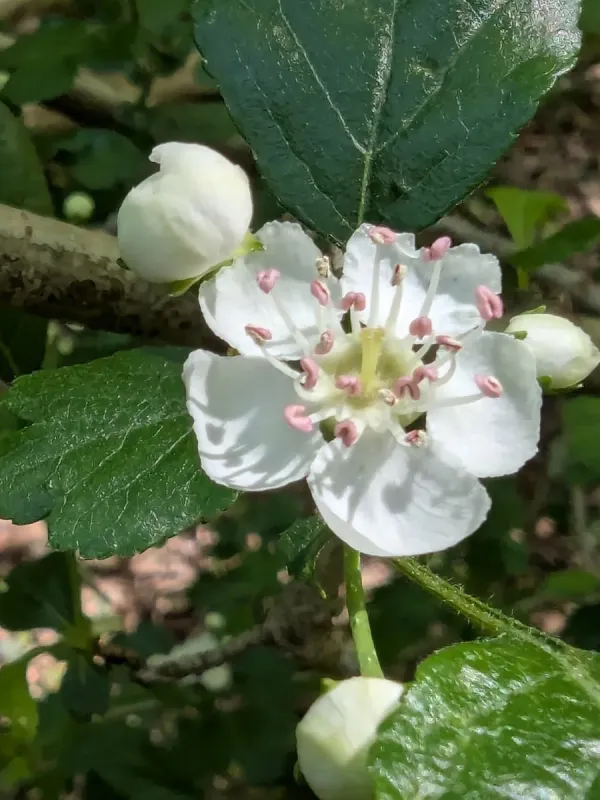
Description
Sowing dates
Seeds of the Midland hawthorn require a long stratification period, typically ranging from 6 to 12 months. Due to their hard seed coat and dormancy, they are best sown outdoors in late autumn to allow the seeds to go through natural cold cycles before germinating in the spring.
Vegetative propagation is commonly achieved through softwood cuttings or grafting onto other hawthorn rootstocks. Softwood cuttings should be collected in mid-summer during active growth, requiring high humidity and controlled temperatures between 20-25 degrees Celsius for successful rooting.
Planting seedlings into their final location is ideally done in spring or autumn. Autumn planting is often preferred in temperate zones, as it allows the root system to establish itself before the start of the following year's intensive growth period.
For creating functional hedges, shrubs are planted in trenches at intervals of 40 to 60 centimeters. This density promotes the formation of a thick, impenetrable barrier, while ensuring that each individual plant has sufficient space for root development.
The soil for young plants must be fertile and well-structured. Incorporating organic compost and a small amount of slow-release mineral fertilizer during planting significantly improves survival rates and supports the vigorous growth of the shrub in its first year.
Growing requirements
The Midland hawthorn, belonging to the Rosaceae family, is a hybrid species known for its hardiness. It thrives in open, sunny locations but is adaptable enough to tolerate partial shade, making it a versatile choice for various garden layouts.
The species is not particularly demanding regarding soil type, although it prefers loamy soils with a neutral or slightly alkaline pH. Proper drainage is crucial, as the plant does not tolerate waterlogging, which can easily lead to root rot in heavy clay soils.
Climatic requirements are broad, as the plant exhibits excellent winter hardiness and can withstand brief periods of drought. However, consistent watering during the peak of summer is recommended to maintain optimal growth and ensure a high yield of fruit.
Agricultural management requires annual pruning, which is essential for maintaining the desired shape of the crown. The Midland hawthorn responds well to frequent trimming, making it highly suitable for hedge management and geometric topiary work.
Routine care involves regular weeding around the base of the shrub to minimize competition for nutrients and moisture. Additionally, light soil cultivation around the root zone helps improve aeration, which is vital for the overall health of the plant.
Yield
Fruit yield for the Midland hawthorn varies depending on the maturity of the shrub and the quality of care provided. Significant fruit production generally begins around 5 to 7 years after planting, with mature bushes capable of producing up to 20 kilograms of fruit per season.
The berries are valued for their high concentration of bioactive compounds. Depending on the specific cultivar, they vary in color from bright red to deep maroon, with a powdery flesh that is highly prized for medicinal and culinary applications.
To maximize yields, it is recommended to plant multiple cultivars together to facilitate cross-pollination. This practice increases the percentage of fruit set and enhances the overall quality and uniformity of the harvest at the end of the season.
The harvest has diverse хозяйственное (economic) uses. The berries are widely used in the production of herbal tinctures, jams, preserves, and vitamin-rich teas, which are frequently used in both traditional medicine and modern pharmacology.
Protecting blossoms from late spring frosts is crucial to ensuring a successful harvest. If a frost is forecast during the blooming period, temporary coverage using agro-textiles can effectively save the blossoms and secure the future crop yield.
Main diseases and pests
The Midland hawthorn is susceptible to various fungal diseases, with powdery mildew and leaf rust being the most common threats. Systemic fungicides should be applied at the first sign of infection to prevent the rapid spread of pathogens throughout the shrub.
Pests such as aphids and spider mites can significantly reduce both the aesthetic appeal and the productive capacity of the plant. Monitoring and managing these pests with appropriate insecticides or acaricides before the flowering stage is essential for success.
Preventive maintenance involves removing and destroying fallen leaves during the autumn, as these often harbor fungal spores. Furthermore, inspecting branches for signs of damage or infestation is a key component of a successful integrated pest management strategy.
Proper airflow within the crown is a critical factor in preventing diseases. Avoid planting too closely in high-humidity areas, as stagnant air promotes the growth of mold and mildew, which can be devastating to the health of the entire hedge.
Sanitary pruning, which involves the removal of dead, diseased, or broken branches, is a fundamental practice. This not only improves the overall appearance but also eliminates potential nesting sites for insects and reduces the accumulation of fungal spores.
Harvesting
Harvesting usually takes place once the berries reach full maturity, typically between late September and October. The berries are ready for picking when they acquire an intense, deep red or brownish hue and feel slightly soft to the touch.
Due to the thorns present on the branches, harvesting should be performed with care using sturdy gloves. It is advisable to cut the berries along with their peduncles to maintain their integrity and extend their shelf life after harvest.
While mechanical harvesting methods exist for larger scales, manual picking remains the most effective way to ensure high-quality, undamaged fruit for medicinal and culinary use. Care must be taken not to crush the delicate skin of the berries.
Post-harvest processing involves sorting and cleaning the berries. For long-term preservation, the fruits are typically dried in well-ventilated areas or in electric dehydrators at temperatures not exceeding 50 degrees Celsius to preserve their beneficial nutrients.
Fresh berries have a limited shelf life and should be processed or refrigerated shortly after harvest. Freezing is an excellent alternative for long-term storage, allowing the fruits to be used throughout the winter for their health benefits.