
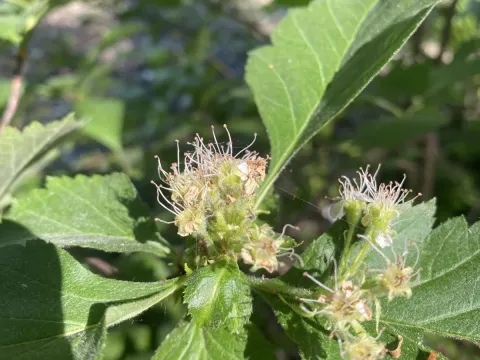
Maximowicz hawthorn
Crataegus maximowiczii
Maximowicz hawthorn is typically propagated by seeds or root cuttings. Due to the deep dormancy of the seeds, they require a cold stratification process lasting at least six to eight months before germination can occur.
What the section contains
Maximowicz hawthorn
Autumn sowing in open soil is often preferred, allowing the seeds to undergo natural stratification during the winter season. The seeds should be planted at a shallow depth of one to two centimeters to facilitate emergence.
For large-scale cultivation, grafted saplings are recommended to ensure uniform fruit quality and early yield. Grafting on related rootstocks is a common practice among professional fruit growers.
When transplanting young trees, it is essential to prepare the soil with organic matter to promote root development. Proper spacing is required to ensure adequate airflow and sunlight reach each plant.
Young plants require consistent monitoring and moisture during their first two years. Weeding around the base is critical to minimize competition for nutrients and water in the early stages.
Maximowicz hawthorn belongs to the Rosaceae family and is native to regions in Eastern Asia, including the Far East. It typically grows as a large shrub or a small tree, reaching a height of up to seven meters.
The plant thrives in fertile, well-drained loamy soils but is known for its remarkable adaptability to various soil types. It is highly valued for its exceptional winter hardiness and resilience in harsh climates.
Optimal growth requires full sun exposure, which is necessary for vigorous branching and consistent fruit production. Shady environments tend to reduce the quality and quantity of berries significantly.
Soil pH should ideally be neutral or slightly acidic. Regular soil testing and balanced fertilization help maintain the plant's health and enhance its resistance to environmental stress factors.
Periodic pruning is vital to shape the plant and remove dead or diseased wood. This practice improves light penetration and aeration, which are essential for long-term plant health and productivity.
The fruit of the Maximowicz hawthorn is highly valued for its nutritional and medicinal properties. It is widely used in the pharmaceutical industry to support cardiovascular health and boost immunity.
The berries, which are vibrant red and spherical, mature by the end of the growing season. They are rich in vitamins, organic acids, and antioxidants, making them a premium ingredient for health supplements.
Under good management, a mature shrub can produce several kilograms of berries per year. Intensive cultivation techniques can further improve the consistency of the harvest and the quality of the fruit.
Leaves and flowers are also harvested for herbal teas and medicinal extracts. The plant's versatility allows for a high economic return when managed as a multi-purpose agricultural crop.
Proper harvest and post-harvest handling are essential to preserve the biological activity of the fruit. Dried berries remain a stable and popular product in the health and wellness market.
Common diseases affecting this species include powdery mildew and rust, especially in regions with high humidity or poor air circulation. These pathogens can stunt growth if left unchecked.
Pests such as aphids, mites, and leaf rollers are the most frequent threats. Regular inspections and early intervention are necessary to keep pest populations below the economic injury level.
Integrated pest management (IPM) strategies are highly recommended to minimize the use of harsh chemicals. This approach promotes the balance of beneficial insects within the orchard.
Maintaining a clean orchard floor by removing fallen leaves in autumn is a key preventive measure. This practice effectively reduces the overwintering sites for many fungal spores and insect pests.
Appropriate pruning techniques that open up the canopy are fundamental to reducing disease pressure. Maximowicz hawthorn is a robust plant that stays productive for many years if managed correctly.
Harvesting should occur when the berries reach full ripeness, indicated by a deep red color. It is crucial to pick the fruit before it becomes overripe to ensure the best texture and vitamin retention.
Collected berries must be cleaned and sorted immediately. They can be processed into jams, syrups, or dried in specialized dehydrators for long-term storage and easier distribution.
Shipping of fresh fruit requires gentle handling and ventilated containers to prevent heat buildup and decay. Maintaining a cool environment post-harvest extends the shelf life of the fruit.
In modern operations, mechanical harvesters are sometimes employed to maximize efficiency. Manual harvesting remains common for high-quality medicinal material where careful selection is prioritized.
The resulting crop is a versatile raw material that sustains a growing demand for natural, health-focused food products. Proper timing ensures the highest level of active compounds in the final harvest.