
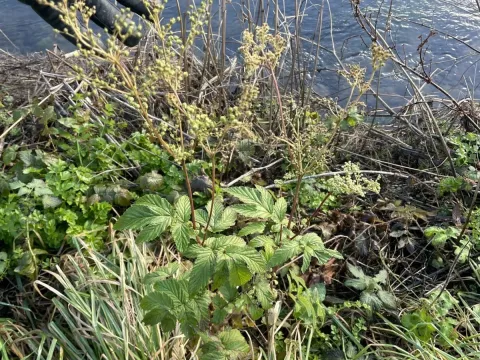
Meadowsweet
Filipendula
Meadowsweet is primarily propagated through vegetative division of the root system or the crown, which ensures the maintenance of stable plant quality.
What the section contains
 Filipendula glaberrima
Filipendula glaberrima
Filipendula glaberrima
 Filipendula purpurea
Filipendula purpurea
Filipendula purpurea
 Filipendula vestita
Filipendula vestita
Filipendula vestita
 Filipendula vulgaris
Filipendula vulgaris
Filipendula vulgaris
 Hybrid meadowsweet
Filipendula hybrids
Hybrid meadowsweet
Filipendula hybrids
 Kamchatka meadowsweet
Filipendula kamtschatica
Kamchatka meadowsweet
Filipendula kamtschatica
 Meadowsweet
Filipendula ulmaria
Meadowsweet
Filipendula ulmaria
 Queen of the prairie
Filipendula rubra
Queen of the prairie
Filipendula rubra
Meadowsweet
The ideal time for planting or dividing roots is early spring, before the plant breaks dormancy, or in autumn to allow establishment before frost.
When propagating via seeds, they require a period of cold stratification in moist conditions for several weeks to break dormancy effectively.
Seeds should be sown at a shallow depth, barely covering them with soil, as they require some light exposure for successful germination.
During the first year, young plants should be kept weed-free to prevent competition, as meadowsweet is relatively slow to establish in its initial growth stage.
Meadowsweet belongs to the Rosaceae family and is a perennial herb that thrives in moist, fertile environments such as wetlands, meadows, and pond edges.
The species prefers rich, loamy soils that can retain consistent moisture without becoming waterlogged, which is crucial for maximizing biomass production.
While the plant tolerates full sun in cooler climates, it performs best in partial shade to prevent leaf scorch during peak summer heat in warmer regions.
It is a highly hardy plant that survives deep winter freezes without specific protection, provided the roots are insulated by soil or snow cover.
Optimal growth is achieved in soils with a neutral or slightly acidic pH, which helps the plant efficiently absorb minerals from the organic-rich substrate.
Meadowsweet is widely recognized for its medicinal value, specifically for its content of salicylates used as natural anti-inflammatory and analgesic agents.
The plant serves as an excellent nectar source for honeybees, significantly contributing to the forage quality and honey yield for local apiaries.
In commercial cultivation, the yield of dried aerial biomass is significant, often harvested for the botanical supplement and herbal tea industries.
Flowers can be distilled to produce aromatic essential oils, which find applications in the fragrance and cosmetic sectors due to their sweet scent.
Roots are also harvested for use in traditional medicine, where they are valued for their astringent properties and historical usage in folk remedies.
Fungal pathogens such as powdery mildew and rust are common issues, typically triggered by poor air circulation or excessive soil moisture levels.
Pests like aphids and spider mites can infest the foliage, particularly if the plant is stressed by lack of water or poor environmental conditions.
Integrated pest management strategies, such as biological controls or proper spacing, are recommended to minimize the need for chemical interventions.
Root rot can occur if the soil structure becomes too compact, emphasizing the importance of site selection and drainage management in agricultural settings.
Maintaining plant vigor through balanced organic fertilization helps boost the natural defense mechanisms against common leaf-eating insects.
Aerial parts, including flowers and leaves, are best harvested at peak bloom when active compound concentrations, like salicylic acid precursors, are highest.
Harvesting should be performed by cutting the stems several inches above the ground to preserve the rootstock for future growth cycles.
Drying must occur in well-ventilated, shaded areas at temperatures below 40 degrees Celsius to retain the delicate chemical composition of the volatile oils.
Root harvesting is performed in late autumn, once the plant has redirected its energy into the rhizomes, ensuring the highest potency for extracts.
Properly cured and stored dried product should be kept in airtight containers away from direct sunlight to maintain shelf life and aromatic quality.