
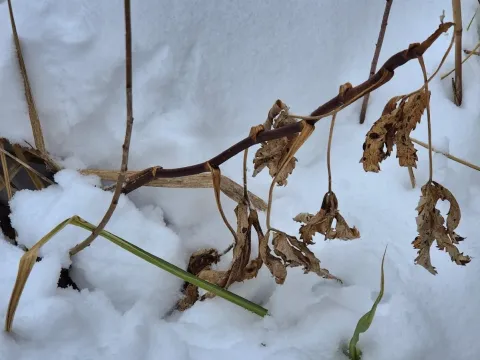
Marsh cinquefoil
Potentilla palustris
Marsh cinquefoil (Potentilla palustris) is a perennial herbaceous plant belonging to the Rosaceae family. It is typically found in swampy habitats, wet meadows, and around pond edges across the Northern Hemisphere.
What the section contains
Marsh cinquefoil
The crop thrives in saturated, organic-rich soils, particularly in peat-based substrates. It requires a constant, high water table to remain healthy and productive throughout the growing season.
Environmental conditions must mimic natural wetlands. While the plant can tolerate full sun, it also performs well in partial shade. Proper hydro-management is the most critical factor for successful plantation establishment.
Temperature tolerance is high, as the species is adapted to boreal and temperate climates. It begins early spring growth, taking full advantage of the cool, moist conditions common in its native range.
Cultivation practices involve vegetative propagation using rhizome cuttings. These cuttings should be planted in shallow water or mud to ensure rapid rooting and the development of dense colonies.
As a robust wetland species, marsh cinquefoil is relatively resistant to standard agricultural pests. However, overcrowding in intensive settings can lead to issues with fungal foliage diseases.
Slugs and snails can pose a significant threat to young shoots in early spring. Protecting the developing plants from these mollusks is essential for maintaining crop density.
Excessive humidity combined with high temperatures can encourage the growth of molds and mildews. Ensuring adequate spacing is the primary way to reduce the impact of these environmental pathogens.
Root rot is primarily a concern if water circulation stops, leading to stagnant, anaerobic conditions in the root zone. Consistent water movement is key to preventing this issue.
Integrated pest management strategies are preferred, avoiding synthetic pesticides due to the intended medicinal use of the plant material.
The harvest of marsh cinquefoil is primarily focused on extracting rhizomes, which contain the highest concentration of pharmacologically active compounds.
Timing the harvest is critical; the late autumn period is preferred when the plant has translocated its nutrients down into the underground storage structures.
The extraction process requires specialized machinery capable of operating in waterlogged conditions to minimize soil compaction and damage to the root system.
Post-harvest processing involves immediate washing to remove peat and organic debris, followed by rapid drying to prevent degradation of the delicate botanical components.
Final processing includes controlled drying at low temperatures to ensure the preservation of flavonoids and tannins, which are the primary economic drivers for this crop.