
Matsumura mountain ash
Sorbus matsumurana
Description
Growing requirements
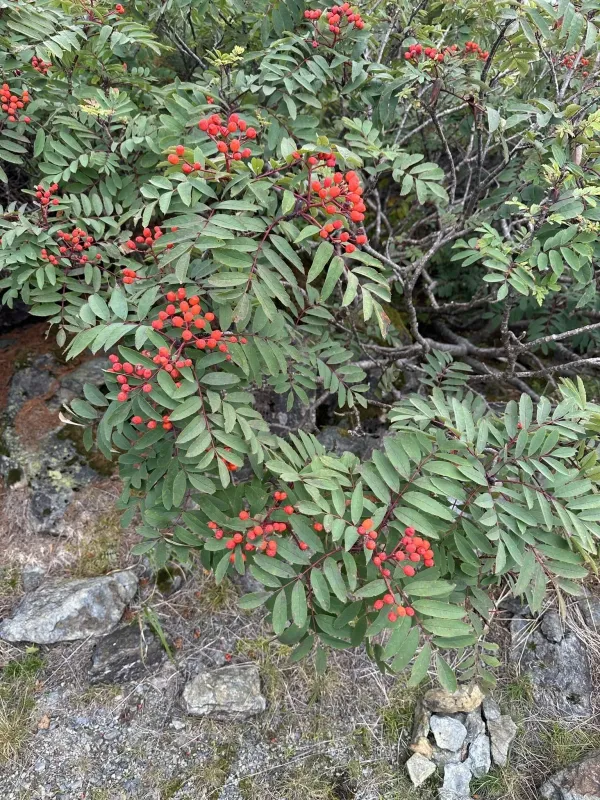
Matsumura mountain ash (Sorbus matsumurana) is a deciduous shrub or small tree belonging to the Rosaceae family. Native to the mountainous regions of Japan, it is highly valued for its elegant foliage and vibrant fruit clusters that add significant aesthetic value to gardens.
The species thrives in cool climates, reflecting its origin in high-altitude environments. When cultivating this plant, it is best to choose a site that offers partial shade, as this helps prevent heat stress and maintains the tree's health during hot summer months.
Ideal soil conditions include well-drained, fertile substrates with a slightly acidic to neutral pH. Proper drainage is absolutely essential for the health of the root system, as the species is susceptible to root rot if left in waterlogged soil for extended periods.
Agricultural practices for this plant are relatively straightforward, focusing mainly on soil moisture management and mulching. Maintaining a layer of organic mulch around the base of the plant helps to regulate soil temperature and retain necessary humidity throughout the growing season.
Pruning should be minimal and focused strictly on removing dead or diseased branches to maintain the tree's natural form. Given its slow growth rate, it is an excellent candidate for small gardens, rockeries, or as an accent plant in shrub borders.
Main diseases and pests
The plant is susceptible to common diseases of the Rosaceae family, such as apple scab and fire blight. Ensuring adequate air circulation around the canopy is the primary preventive measure against fungal infections that thrive in stagnant, humid conditions.
Pest management involves monitoring for aphids and scale insects, particularly during the early spring flush of growth. If infestations occur, targeted application of horticultural oils or soft soap solutions is usually effective at managing the population without harming the tree.