
Marcetella
Marcetella
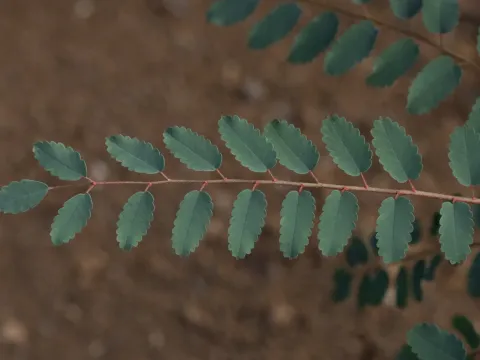
Marcetella is a genus of evergreen shrubs belonging to the Rosaceae family. Native to the Canary Islands, these plants are primarily found in laurel forests, which provide a unique microclimate essential for their survival.
What the section contains

Marcetella
In terms of climate, Marcetella thrives in cool, humid environments with minimal temperature fluctuations. They are adapted to the "garúa" (sea fog) conditions of their native habitat, which keeps the foliage moist and the surrounding air cool.
Soil requirements are quite specific: the plants prefer volcanic-derived substrates that are rich in organic matter but possess excellent drainage properties. Waterlogged soil will rapidly cause root decay, which is the primary cause of plant loss in non-native settings.
The plants require diffused light or partial shade to perform optimally. Direct, intense sunlight can scorch the leaves, while insufficient light levels will result in weak, spindly stems that lack structural integrity.
Good agricultural practice for Marcetella involves maintaining a consistent moisture level in the root zone without overwatering. Periodic pruning is also necessary to maintain the plant's shape and encourage the development of new, healthy shoots.
The most common threats to Marcetella include fungal infections such as powdery mildew and root rot. These diseases are particularly prevalent in environments with poor air circulation and excessive substrate moisture.
Pests such as aphids, spider mites, and scale insects can cause significant stress to the plant. These pests feed on sap, weakening the foliage and often leaving behind honeydew that fosters sooty mold growth.
Integrated pest management, including regular inspection of the underside of leaves and the use of insecticidal soaps, is recommended to keep pest populations under control without damaging the plant's delicate tissues.
Environmental stress, particularly from poor water quality, can exacerbate susceptibility to diseases. Chlorine and salt accumulation in the soil often lead to necrotic leaf margins, which can be mistaken for a pathogen attack.
To ensure long-term health, growers must maintain a strict sanitation protocol. Removing dead leaves and branches promptly prevents the buildup of pathogens that could lead to widespread infections within the population.