
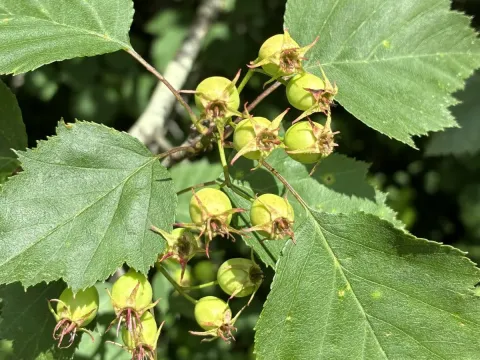
Large-seeded hawthorn
Crataegus macrosperma
The propagation of Crataegus macrosperma is primarily achieved through seeds or vegetative methods such as grafting onto other hardy hawthorn rootstocks. Seeds are known for having a long dormancy period, which makes stratification a critical step before planting.
What the section contains
Large-seeded hawthorn
Sowing in open ground is best performed in the autumn before the first frost. This allows the seeds to undergo natural stratification in the soil, which significantly improves germination rates during the following spring season.
For spring sowing, seeds must be kept in moist sand at low temperatures for several months to break dormancy. The seeds should be sown at a moderate depth of 2-3 centimeters in a nutrient-rich, well-draining substrate.
In commercial nurseries, grafting is often preferred to preserve the specific traits of the variety and to ensure a faster transition to the fruiting stage compared to seed-grown plants.
Transplanting seedlings to their final location is best done in early spring before bud break, or in the autumn after the foliage has dropped, ensuring the plant has time to establish its root system.
Large-seeded hawthorn is a member of the Rosaceae family and is recognized for its remarkable environmental adaptability. Its natural habitat is located in the eastern forest regions of North America, where it thrives at forest edges.
The plant requires plenty of sunlight to produce a bountiful harvest. While it can tolerate partial shade, full sun exposure is essential for the optimal development of fruit and for maintaining a dense, healthy structure.
The soil should be fertile and provide excellent drainage. The species does not thrive in waterlogged conditions, so it is important to incorporate organic matter and ensure proper site drainage if the soil is heavy clay.
This species is well-adapted to temperate climates and possesses high winter hardiness, allowing it to grow successfully in regions with harsh winters without the need for additional protective covering.
Care practices include regular weeding and mulching the root zone to retain moisture during the hot summer months. Pruning is also necessary to maintain an open canopy, which helps prevent stagnant air and potential fungal issues.
The productivity of Crataegus macrosperma depends heavily on the age of the tree and the quality of the growing conditions. Seedlings typically begin fruiting at 6 to 8 years of age, whereas grafted specimens can produce fruit much sooner.
The fruits are characterized by their large seeds, which is reflected in the species' name. They are highly valued for their nutritional profile and are commonly used in traditional medicine and culinary preparations.
To maximize yields, formative pruning is essential. By removing dead wood and thinning out the center of the canopy, the plant can direct its energy towards fruit production rather than excessive vegetative growth.
The presence of pollinators such as bees is crucial for a successful harvest. As a good nectar producer, this hawthorn naturally attracts beneficial insects, which leads to better cross-pollination and a significantly higher fruit set.
Applying balanced fertilizers, particularly those high in phosphorus and potassium during the fruit development stage, supports better fruit quality and increases the overall plant vigor for the following season.
Fungal diseases are the most common challenges for this species, with powdery mildew being a frequent issue. It manifests as a white coating on the leaves and can stress the plant if left untreated.
Leaf rust is another potential threat that can lead to premature leaf drop and weakened immunity. Preventive applications of copper-based fungicides during the early spring are recommended to keep the plant healthy.
Pests like aphids and leaf rollers can damage young shoots and interfere with photosynthesis. Regular monitoring of the foliage allows for early detection and the use of targeted biological controls or soaps.
Fruit-damaging insects, such as sawflies, can affect the internal quality of the hawthorn berries. Good garden hygiene, including the removal and destruction of fallen fruit, helps interrupt the life cycle of these pests.
Overall disease prevention relies on maintaining proper plant spacing to ensure good air circulation, which reduces the humidity levels that fungal pathogens need to thrive and spread throughout the plantation.
The harvest period for large-seeded hawthorn fruit begins when the berries reach full biological maturity, indicated by their vibrant color and soft texture. This usually occurs in late summer or early autumn.
Manual picking is the preferred method to avoid damaging the delicate skin of the berries, which ensures better shelf life and market quality for the produce collected.
Once harvested, the fruit should be processed or dried as quickly as possible. These berries are excellent for making jams, jellies, and health-promoting tinctures, which are prized for their medicinal properties.
For long-term storage, the fruit can be dried in controlled environments at moderate temperatures to preserve its bioactive components throughout the winter months when fresh fruit is unavailable.
A systematic approach to harvesting not only provides valuable berries but also contributes to the plant's long-term health by preventing over-ripened fruit from attracting pests or developing rot on the branches.