
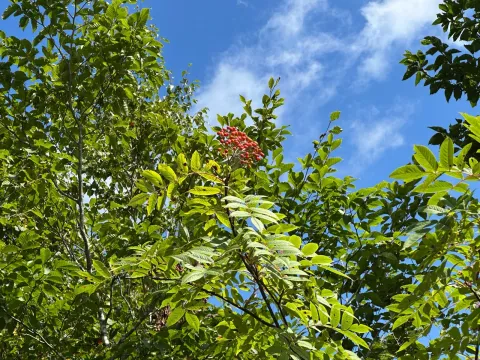
Late rowan
Sorbus serotina
Late rowan (Sorbus serotina) is a distinctive fruit-bearing crop belonging to the Rosaceae family. It is characterized by its late-maturing fruit, which makes it a unique addition to commercial and domestic orchards that prioritize extended harvest seasons.
What the section contains
Late rowan
This species thrives in temperate climatic zones, showing remarkable resistance to cold winters. It requires a location with full exposure to sunlight to ensure proper fruit development and to minimize the risk of fungal diseases that often affect trees in shaded, damp spots.
The plant prefers fertile, loamy, or sandy soils that possess excellent drainage properties. While it can adapt to various soil types, maintaining a steady moisture level during the early stages of fruit development is essential for producing high-quality yields.
Agricultural management involves routine pruning to maintain an open canopy structure, allowing for better light penetration and air circulation. Nutrient management should include balanced NPK fertilization applied early in the growing season to support robust vegetative growth.
The fruit of Sorbus serotina is widely utilized in the food industry for producing preserves, juices, and spirits. Beyond its culinary applications, the tree serves as an excellent ornamental plant, providing aesthetic value throughout the year with its late-autumn foliage and berries.
The main pests affecting late rowan include sawflies and specific types of moth larvae that target the foliage and developing buds. Integrated pest management (IPM) strategies, including the use of pheromone traps, are recommended to maintain tree health.
Fungal diseases like rust and apple scab are the most frequent threats. Preventive measures, such as mulching and proper spacing between trees, help to reduce humidity around the base and prevent the spores from colonizing the tree branches.
Harvesting typically occurs in late autumn, often delayed until after the first frost to improve the flavor profile of the berries by reducing natural tannin levels. This timing ensures maximum sugar accumulation and better juice quality.
The berries are harvested in clusters using pruning shears to prevent damage to the spurs, ensuring consistent future productivity. Proper post-harvest handling is critical, as the berries have a relatively short shelf life if kept at room temperature without proper ventilation.