
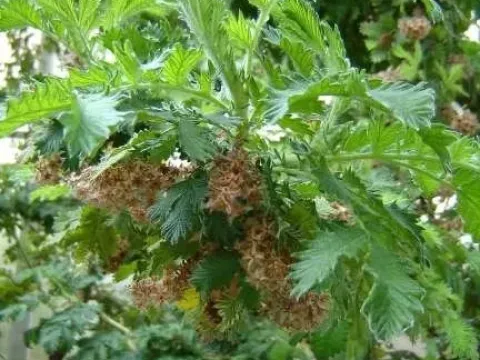
Leucosidea
Leucosidea
Leucosidea (Leucosidea sericea) is a unique evergreen shrub or small tree belonging to the Rosaceae family. It is renowned for its distinctive, silvery-green foliage, which provides a soft texture to any landscape setting.
What the section contains

Leucosidea
Native to the high-altitude mountainous regions of Southern Africa, including South Africa and Lesotho, this plant is well-adapted to cooler climates. It typically inhabits rocky slopes and riverbanks, demonstrating great resilience to varying environmental conditions.
Successful cultivation requires well-drained, nutrient-rich soil to ensure healthy root development. It thrives in full sun but maintains its decorative appeal even when planted in partially shaded areas, provided there is adequate light exposure.
This species is valued for its ability to withstand wind and frost, making it an excellent candidate for establishing windbreaks and screening in temperate climate zones. Its robust growth habit allows it to be used as a stabilizer for steep soil embankments.
Minimal pruning is needed to maintain its shape, although periodic maintenance helps stimulate fuller growth. Overall, Leucosidea is a low-maintenance plant that offers significant visual impact throughout the growing season.
Root rot is the most significant threat to Leucosidea, particularly when the soil remains waterlogged for extended periods. Proper site selection and ensuring excellent drainage are the primary defenses against this issue.
Pests such as aphids and leaf-eating beetles can occasionally infest the foliage, especially during periods of stress. Integrated pest management, including the use of horticultural soaps or biological control, is recommended for effective suppression.
Poor air circulation within the shrub canopy can lead to outbreaks of powdery mildew. It is crucial to space plants appropriately to allow for sufficient airflow and light penetration to the inner branches.
Mechanical damage during maintenance can serve as an entry point for wood-decay fungi. Always use sharp, clean tools when performing pruning to ensure rapid healing of the cuts and to prevent unwanted infection.
Monitoring for signs of nutrient deficiency or water stress is essential for long-term plant vitality. By maintaining consistent soil moisture and providing balanced fertilizers, growers can significantly reduce the vulnerability of the plant to potential pests.