
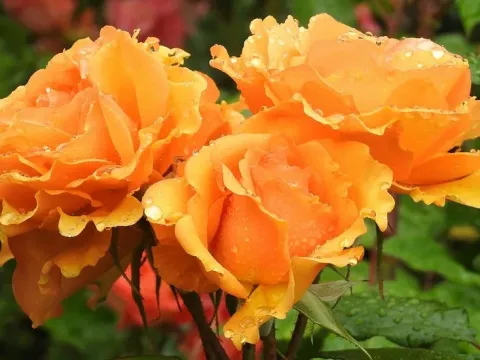
Large-flowered rose
Rosa large-flowered
The large-flowered rose belongs to the Rosaceae family and encompasses a specialized group of cultivars bred specifically for their impressive bloom size and aesthetic perfection. These plants thrive in locations with abundant sunlight and excellent air circulation, which are essential for maintaining the vibrant color and strong structural integrity of the stems.
What the section contains
Large-flowered rose
Cultivation success depends heavily on the soil structure, which must be fertile, well-draining, and rich in organic matter. A soil pH level of 6.0 to 6.5 is considered ideal for nutrient uptake, ensuring the plant has enough energy to support its large-sized blossoms throughout the entire blooming season.
Watering practices should focus on delivering moisture directly to the root zone to avoid wetting the foliage, which reduces the risk of fungal infections. Frequent fertilization is crucial; a balanced application of nitrogen, phosphorus, and potassium supports both lush vegetative growth and the development of high-quality, long-lasting flowers.
Maintenance involves annual spring pruning to remove dead or diseased wood and to shape the bush for optimal growth. Winter protection is a necessary part of the agrotechnical cycle in temperate climates, where insulating the crown prevents freeze damage and ensures the longevity of the perennial plant.
Beyond landscape design, where these roses are favored for their visual impact in gardens and borders, they are commercially significant in the cut flower industry. Their ability to produce large, sophisticated blooms makes them a staple in high-end floristry and decorative floral arrangements worldwide.
The most persistent threats to large-flowered roses include powdery mildew and black spot, both of which are fungal diseases that thrive in humid, stagnant air. Managing these requires preventive spraying with fungicides and ensuring that the plant density allows for sufficient airflow to keep leaves dry.
Pest management is equally critical, with aphids and spider mites being the most common culprits that damage tender new growth and developing buds. Integrated pest management, including regular monitoring and the use of targeted insecticides, is the most effective way to keep these roses healthy and bloom-ready throughout the growing season.