
Lavalle hawthorn
Crataegus lavallei
Description
Growing requirements
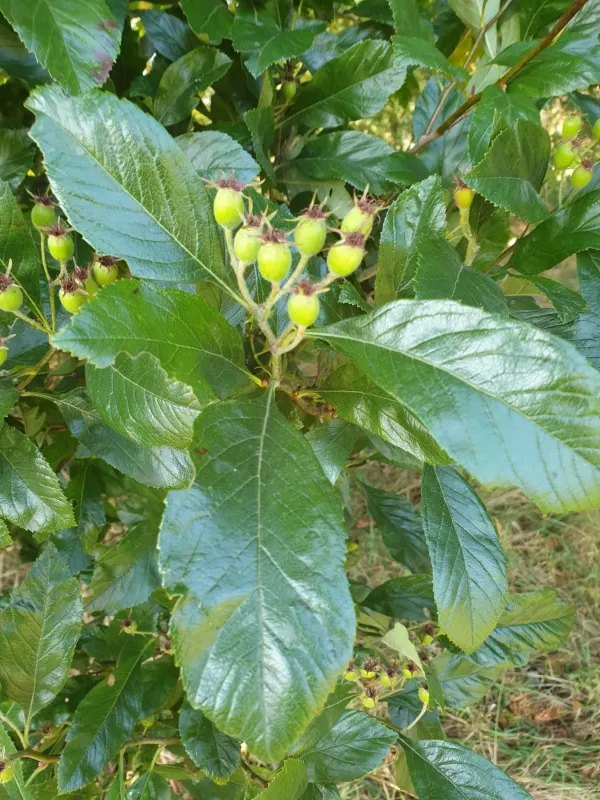
Lavalle hawthorn (Crataegus lavallei) is a distinctive hybrid plant belonging to the Rosaceae family. It is widely recognized for its high ornamental value, featuring lustrous, dark green foliage that turns to shades of bronze and red in late autumn, and persistent orange-red fruits that remain on the branches into winter.
In terms of growth requirements, this tree thrives in full sun, though it is quite tolerant of partial shade. It prefers well-drained, fertile soil but is notably adaptable to various soil conditions, including heavy clays or thin, rocky substrates, provided they are not waterlogged.
Climate tolerance is one of the key strengths of this species. It exhibits excellent hardiness in temperate regions and is particularly valued in urban planning for its high tolerance to atmospheric pollution, wind, and the compacted soil conditions often found in city environments.
Agricultural techniques for this plant focus on minimal intervention once established. Initial planting requires a generous pit with organic amendments to support root establishment. During the first two growing seasons, deep watering during dry spells is essential to ensure the tree develops a strong root system.
Pruning is usually performed during the dormant season to maintain structural integrity and remove any dead or crossing branches. Due to the presence of long, sharp thorns, maintenance tasks should be performed with appropriate safety gear, and the plant is highly amenable to shaping as a hedge or a specimen tree.
Main diseases and pests
The primary diseases affecting Crataegus lavallei are fungal in nature, with powdery mildew and leaf spot being the most frequent issues. Maintaining spacing between individual plants and ensuring proper pruning for airflow significantly reduces the likelihood of severe outbreaks.
Fire blight (Erwinia amylovora) remains the most critical threat. It is a bacterial infection that causes branches to appear scorched and can quickly spread. Infected sections must be pruned back well into the healthy wood, ensuring tools are disinfected with alcohol between every single cut.
Insect pests include aphids, scale insects, and various species of mites that can affect leaf vigor. These pests are typically managed with horticultural oils during the dormant season or through targeted insecticide treatments during the early stages of infestation.
Leaf-eating insects, such as caterpillars and sawfly larvae, can periodically cause damage to the foliage. While these rarely threaten the survival of a mature tree, they can impact its aesthetic appearance, making monitor-based treatments necessary in high-visibility landscape areas.
- Sanitize pruning equipment to prevent disease transmission
- Monitor for signs of bark damage and pests regularly
- Apply mulch around the base to retain moisture and suppress weeds
- Remove leaf litter to reduce pathogen overwintering sites