
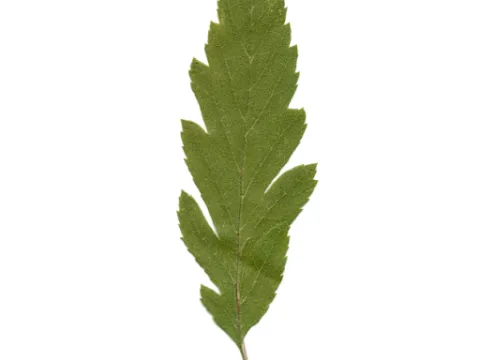
Lancet-leaved mountain ash
Sorbus lancifolia
The lancet-leaved mountain ash (Sorbus lancifolia) belongs to the Rosaceae family. It is a distinctive woody species known for its specific leaf morphology, which makes it an interesting subject for botanical collections.
What the section contains
Lancet-leaved mountain ash
The tree thrives in well-drained, fertile soils with a neutral pH. It is characterized by excellent frost resistance, allowing it to adapt to various temperate climates across its cultivation range.
Optimal growth requires full sun exposure to maintain the tree's health and promote vigorous development. Adequate water supply during the growing season is essential, especially for younger trees establishing their root systems.
Botanically, the species is defined by its narrow, lanceolate foliage which gives it a refined aesthetic appeal. It generally maintains a manageable size, making it suitable for smaller gardens and ornamental landscaping.
Good agricultural practice involves regular mulching to preserve soil moisture and routine nutrient management. Pruning should be focused on removing deadwood and maintaining the natural structure of the canopy.
Common threats to the health of Sorbus lancifolia include fungal infections like scab and various leaf spot diseases which typically proliferate during wet and humid weather conditions.
To mitigate these risks, it is important to ensure good spacing between plants to improve airflow, which significantly reduces the chances of pathogen development and spread within the foliage.
Pests such as aphids and sawfly larvae can be problematic during the early stages of the growing season, requiring prompt monitoring and intervention to prevent damage to the tree's growth points.
Integrated pest management, including the use of horticultural oils or insecticidal soaps, is recommended to manage populations without disrupting the beneficial garden ecosystem.
Regular maintenance, including thorough leaf cleanup in the autumn, is a vital step in reducing overwintering inoculum for fungal spores, thereby protecting the tree for the following season.