
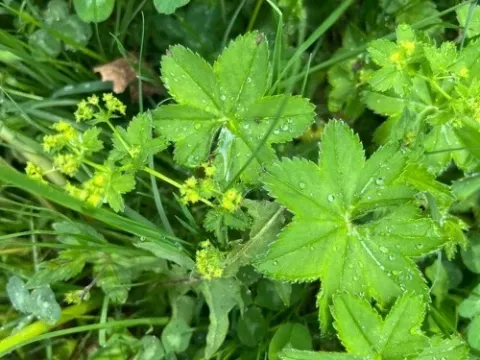
Baltic lady's mantle
Alchemilla baltica
Baltic lady's mantle (Alchemilla baltica) is a hardy perennial belonging to the Rosaceae family. Propagation is primarily achieved through seeds or by division of established rootstocks in early spring.
What the section contains
Baltic lady's mantle
Seeds sown in autumn benefit from natural stratification, which is essential to break dormancy and ensure high germination rates when the weather warms up in spring.
When seeding, place the material on well-prepared, moist soil and cover it with only a thin layer of substrate. Maintaining consistent soil moisture is vital until the seedlings are firmly established.
For vegetative propagation, digging up and dividing mature plants is highly effective. Ensure each division contains several healthy buds and a portion of the fibrous root system for successful transplantation.
Planting divisions at a spacing of 30 to 40 cm promotes healthy airflow and provides enough space for the signature scalloped leaves of the lady's mantle to develop fully.
This species thrives in temperate climates and prefers moderately moist, loamy, or sandy-loam soils with a neutral or slightly acidic pH level for optimal nutrient uptake.
Proper drainage is essential for the longevity of the plants. While they enjoy moisture, standing water in the root zone can trigger rot and significantly weaken the plant's vigor.
Baltic lady's mantle is notably winter-hardy and does not require protective cover in most temperate zones, making it an excellent choice for low-maintenance perennial plots.
The plant performs best in partial shade to dappled sunlight. While it can tolerate full sun, it may require frequent watering during heatwaves to prevent leaf scorch and dehydration.
Regular additions of well-rotted organic matter, such as compost or leaf mulch, help retain soil moisture and improve the long-term fertility of the growing site.
The total yield of Baltic lady's mantle is determined by the density of the planting and the environmental conditions, specifically moisture availability throughout the growing season.
Harvesting the aerial parts during the peak of the flowering period yields the highest concentration of bioactive compounds, which are valuable in traditional herbal medicine.
Consistent removal of spent flower stalks is a key agronomic practice that directs the plant's energy toward leaf production and encourages a second flush of growth.
Average yields of dry mass typically range from 15 to 25 decitonnes per hectare, depending on the management intensity and the specific soil fertility levels maintained.
Periodically dividing and replanting sections of the bed every 4–5 years prevents the plants from becoming overly crowded, which helps maintain high productivity and plant health.
While generally robust, the plant can be susceptible to powdery mildew during periods of high humidity and poor air circulation, which manifest as a white powdery coating on leaves.
Pests like aphids may occasionally colonize tender new growth in dry summers. Early detection and standard organic pest control methods are sufficient to manage these infestations.
Slugs and snails can cause damage to the leaf rosettes in the spring. Maintaining a clean site and ensuring good drainage are effective deterrents against these common garden pests.
Cultural practices, such as ensuring adequate spacing between plants and keeping the site weed-free, are the primary defenses against disease and pest pressure.
- Soil aeration through light hoeing.
- Removal of infected plant parts.
- Maintenance of perimeter sanitation.
The harvest should occur on a dry, sunny day after the morning dew has evaporated, as moisture on the harvested material can lead to spoilage during the drying phase.
Use clean tools to harvest the aerial parts, cutting just above the basal leaf rosette to avoid damaging the crown of the plant, thus allowing for future regrowth.
Immediate processing is crucial. The harvested herb must be moved quickly to a shaded, well-ventilated area to prevent fermentation and loss of phytochemical potency.
Drying should be done in thin layers on breathable racks at temperatures not exceeding 45 degrees Celsius to preserve the green color and medicinal integrity of the foliage.
Once fully dried, the product should be stored in opaque, moisture-proof containers to protect it from light and environmental humidity, ensuring a shelf life of up to two years.