
Beautiful-veined mountain ash
Sorbus caloneura
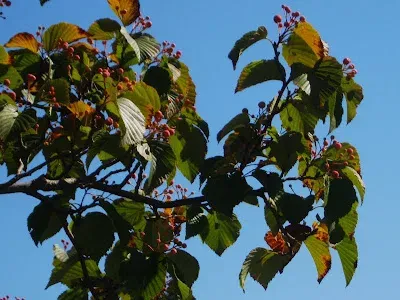
Description
Growing requirements
Sorbus caloneura, known as the beautiful-veined mountain ash, belongs to the Rosaceae family. This species originates from the mountain forests of China and is highly regarded for its unique foliage and structural elegance in garden settings.
The plant thrives in well-drained, nutrient-rich soils with a slightly acidic to neutral pH level. Proper site selection is crucial, as the tree performs best in locations that provide protection from drying winds and intense midday heat during the peak of summer.
Climate-wise, this species prefers cool to temperate conditions. While it is moderately hardy, young specimens require winter protection in colder regions to prevent bark splitting and frost damage to the terminal buds.
Botanical identification is based on its distinctly veined leaves, which display excellent texture throughout the growing season. In autumn, the foliage transitions into vibrant colors, making it an exceptional choice for seasonal landscape highlights.
A maintenance program should include consistent watering during dry spells and annual fertilization to support vigorous growth. Pruning should be kept to a minimum, focusing only on the removal of crossing or damaged branches to maintain the natural form.
Main diseases and pests
Common pathological issues include scab and leaf spot, which are often exacerbated by poor air circulation. To minimize these risks, it is essential to ensure that the tree is not planted too densely and that the canopy is pruned for improved airflow.
Insect pests such as aphids and leaf-eating beetles can occasionally attack the foliage. Integrated pest management, including the encouragement of natural predators and the judicious use of horticultural oils, is recommended for maintaining tree vitality.