
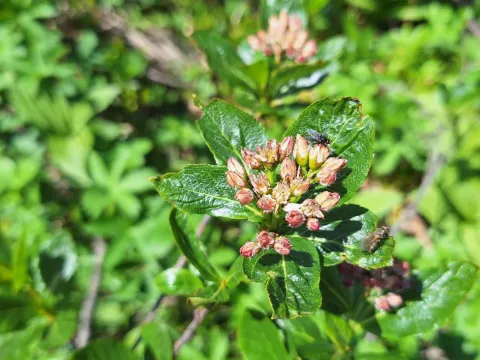
Alpine mountain ash
Sorbus chamaemespilus
The Alpine mountain ash (Sorbus chamaemespilus) is a shrub species belonging to the Rosaceae family. It is native to the mountainous regions of Central and Southern Europe, typically found at high altitudes. Its growth habit is naturally low and shrubby, rarely exceeding two meters in height.
What the section contains
Alpine mountain ash
This species thrives in full sun, which is essential for healthy development and fruit production. It is highly adapted to cooler climates and possesses excellent frost tolerance, making it a reliable choice for gardens in regions with challenging winter conditions.
Soil requirements for this plant focus on excellent drainage and a neutral to slightly alkaline pH level. The plant does not tolerate heavy or waterlogged soils, as these conditions rapidly lead to root rot and other vitality issues that can eventually prove fatal to the specimen.
Cultivation practices involve minimal maintenance, focusing mainly on ensuring the soil stays well-aerated and preventing excessive competition from weeds in the root zone. A light mulch application is beneficial for maintaining soil moisture levels during the peak of the summer heat.
Horticultural use is primarily ornamental, as the plant is perfectly suited for rock gardens, Alpine-style landscapes, and dwarf shrub borders. Its compact size and attractive seasonal colors make it an excellent focal point in gardens where larger trees would be unsuitable.
Fungal pathogens such as powdery mildew and rust are the most frequent threats, particularly in gardens with poor air circulation. Effective management includes keeping the foliage dry and ensuring sufficient spacing between plants to promote rapid drying after rain.
Pests like aphids and leaf rollers may occasionally target the new growth, causing leaf curling and reduced vigor. Monitoring the plants during the spring growth flush allows for early intervention using appropriate insecticidal soaps or systemic treatments if necessary.
Root health is vital for the survival of the shrub, and overwatering is a primary cause of stress that makes the plant more susceptible to opportunistic pathogens. Proper landscape grading to direct water away from the root collar is a fundamental preventive measure.
Regular pruning of dead or diseased wood is essential to keep the shrub healthy and to prevent the spread of fungal spores. Tools should be sanitized between cuts to ensure that diseases are not transmitted from one part of the plant to another.
Maintaining the overall health of the shrub through balanced nutrition and environmental stability is the most effective way to prevent the infestation of common pests and the development of severe disease outbreaks throughout the growing season.