
Alchemilla grossidens
Alchemilla grossidens
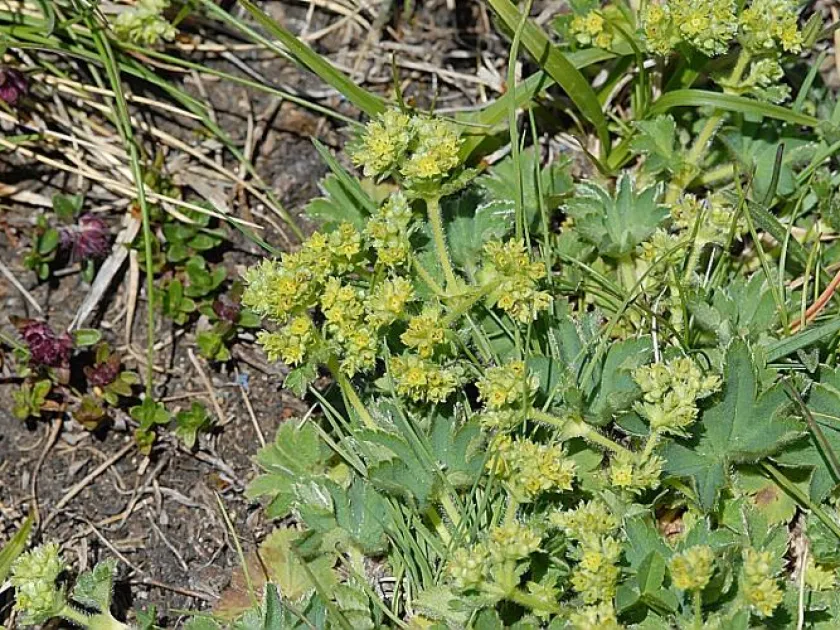
Description
Growing requirements
Alchemilla grossidens is a perennial herbaceous plant belonging to the Rosaceae family. It is widely recognized for its robust growth in temperate climates, naturally occurring in mountainous regions where it thrives in moist, cooler conditions.
The plant prefers fertile, well-draining soils with a neutral pH level. While it shows good adaptability to various lighting conditions, the best vegetative growth is achieved in partial shade or areas with diffused sunlight throughout the day.
Botanically, it is defined by its characteristic palmate leaves with distinct, coarse teeth along the margins. The plant forms a dense basal rosette, from which flowering stems emerge, producing clusters of small, greenish-yellow inflorescences.
Agrotechnical requirements focus on consistent soil moisture management. It is crucial to prevent the soil from drying out completely during the heat of the summer, as the shallow root system of the plant is highly sensitive to drought stress.
The crop is highly valued for its biochemical properties, containing significant concentrations of tannins and phenolic compounds. This makes it an important botanical resource for both the pharmaceutical industry and traditional herbal medicine.
Main diseases and pests
The primary threats to Alchemilla grossidens include fungal pathogens such as powdery mildew, which often manifest in conditions of poor air circulation and high humidity. Maintaining proper plant spacing is essential to minimize these risks.
Pests, particularly aphids, can occasionally infest the leaves and stems during the spring growth phase. Early detection and integrated pest management strategies are recommended to keep populations below the economic injury level.
Leaf spot diseases can also impact the commercial yield of the crop. These are best managed by ensuring good drainage and removing any plant debris that could harbor spores during the winter months.
Weed control is a fundamental practice in maintaining the health and vigor of an Alchemilla plantation. Weeds compete for essential nutrients and moisture, often leading to stunted growth if not managed correctly.
Standard fertilization practices include balanced nutrient application during the early spring to promote vigorous foliage development. Over-fertilization should be avoided to prevent susceptibility to succulent-tissue diseases.