
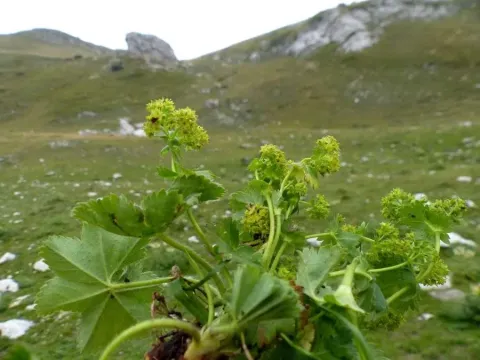
Alchemilla exigua
Alchemilla exigua
Alchemilla exigua, a member of the Rosaceae family, is a perennial herbaceous plant. In its natural environment, it propagates primarily through seeds that require winter stratification to germinate successfully.
What the section contains
Alchemilla exigua
For cultivation, seeds should be sown in late autumn to benefit from cold winter temperatures. If spring sowing is planned, seeds must be kept in cold storage for several weeks to break dormancy.
The seeds are sown shallowly, usually at a depth of 0.5 to 1 cm. A lightweight, well-draining soil mix is essential to ensure that seedlings emerge without becoming stunted or rotting.
Vegetative propagation is also common and often preferred for maintaining the genetic purity of the plant. Division of the root clumps is best performed in early spring or after the flowering period ends in late summer.
Spacing is crucial for the health of Alchemilla exigua. Planting at intervals of 15–20 cm allows for proper air circulation, which is vital to prevent fungal diseases from forming within the dense foliage.
This species thrives in moderately moist, well-drained soils that are rich in organic matter. A neutral to slightly acidic pH range is generally considered optimal for the plant's development.
While Alchemilla exigua can tolerate full sun, it performs significantly better in partial shade, especially in warmer climates where intense sun might scorch the delicate leaves.
The plant is highly hardy and can withstand freezing temperatures without needing special winter protection. Its resilience makes it an excellent choice for northern or alpine regions.
Maintenance involves routine watering during dry spells. Care should be taken to water the base of the plant rather than overhead to prevent moisture from pooling in the center of the leaf rosettes.
A light application of organic fertilizer in the spring helps stimulate growth. Excessive nitrogen should be avoided to prevent leggy growth and to maintain the plant's natural compact structure.
The primary concern for Alchemilla exigua is powdery mildew, which often occurs during periods of high humidity and limited airflow. Keeping the planting area clean is essential for prevention.
Root rot is a common issue if the soil remains waterlogged. Ensuring that the site has a proper drainage system is the most effective strategy for preventing fungal outbreaks in the root system.
Pests such as aphids and spider mites can occasionally affect the plant. Regular monitoring of the underside of the leaves can help identify infestations early before they cause significant damage.
Sanitation is a key component of integrated pest management. Removing dead foliage at the end of the season reduces the risk of overwintering pathogens that could infect new growth in spring.
If chemical interventions are necessary, choosing environmentally safe pesticides is recommended to protect the local ecosystem and any beneficial pollinators visiting the plant.