
Alchemilla filicaulis
Alchemilla filicaulis
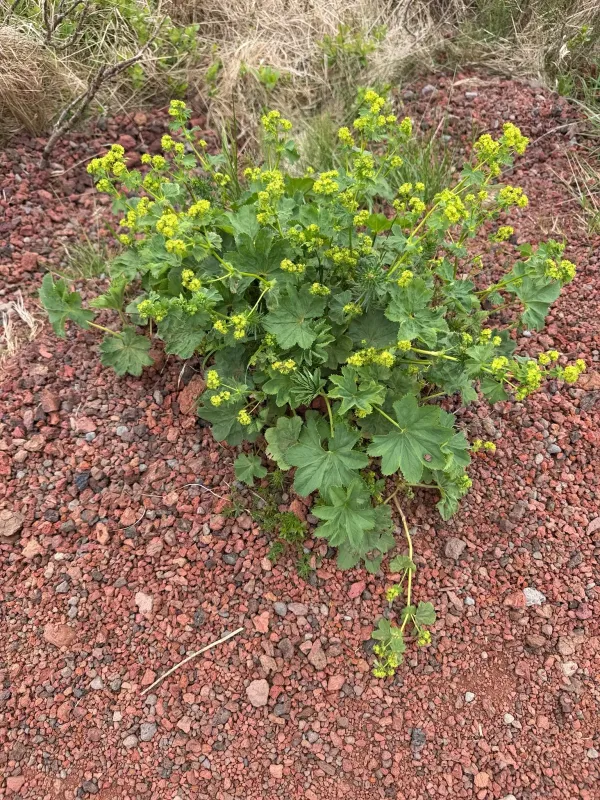
Description
Growing requirements
Alchemilla filicaulis, known as the slender lady's mantle, belongs to the Rosaceae family. It is a hardy perennial herb that is primarily native to the mountainous and grassland regions of Europe, thriving in cool, temperate environments.
The plant is distinguished by its delicate, deeply lobed foliage that effectively traps morning dew. It is highly valued in agriculture for its ability to maintain ground cover and enrich the soil ecosystem through its root structure.
Agronomic requirements include well-drained, fertile soil with moderate moisture levels. While the plant can survive in various soil types, it performs best in loamy, nutrient-rich soils with a slightly acidic to neutral pH balance.
Climate adaptability is one of the plant's greatest strengths. Alchemilla filicaulis is frost-resistant and can endure the harsh winter conditions of northern latitudes without requiring significant protective measures.
In terms of agricultural use, this species is cultivated for its medicinal properties and as a ground-covering forage crop. Its ability to regrow vigorously after harvesting makes it a sustainable choice for small-scale production.
Main diseases and pests
Like many plants in the Rosaceae family, Alchemilla filicaulis can be susceptible to powdery mildew. This fungal disease is typically triggered by poor air circulation and high humidity levels during the summer months.
Insect pests such as aphids and leaf-eating beetles may occasionally impact plant health. Early identification is crucial for managing these populations and maintaining the aesthetic and agricultural quality of the crop.
Root rot is a potential risk if the soil remains waterlogged for extended periods. Implementing proper drainage techniques and avoiding over-irrigation are essential management practices for any commercial planting.
Integrated pest management (IPM) is the recommended approach to minimize chemical usage while maintaining crop vitality. Utilizing natural predators and organic barriers can prove effective in reducing common infestations.
Maintaining proper spacing between rows helps to mitigate the spread of pathogens, ensuring that the canopy dries out quickly after rainfall and remains healthy throughout the growing season.