
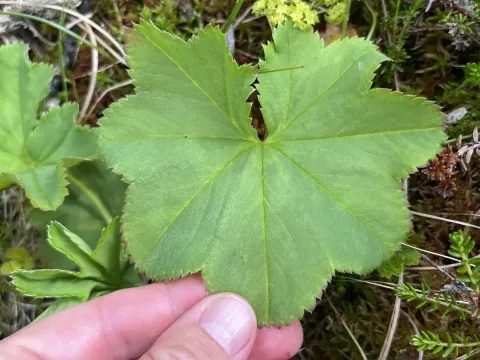
Alchemilla glomerulans
Alchemilla glomerulans
Alchemilla glomerulans is a perennial herbaceous plant from the Rosaceae family, widely recognized for its resilience in arctic and alpine environments. This species is native to northern regions, flourishing in cool climates where other crops might struggle.
What the section contains
Alchemilla glomerulans
The plant thrives in moist, fertile soils with a preference for slightly acidic to neutral pH levels. It is commonly found in meadows and along stream banks, indicating its requirement for consistent soil moisture throughout the growing season.
Temperature tolerance is a defining feature of this species. It exhibits remarkable hardiness against cold, allowing it to complete its vegetative cycle rapidly during the short northern summers. It requires adequate solar radiation to ensure proper development of its foliage.
Agronomic management involves selecting well-drained but water-retentive soil sites. While it demands moisture, avoiding stagnant water is crucial to prevent root rot, which is a common issue in poorly managed heavy clay soils.
Botanically, Alchemilla glomerulans is distinguished by its dense, clustered inflorescences and palmately lobed, often hairy leaves. These morphological features are adaptations to harsh environments, helping to conserve water and protect the plant from physical damage.
The main pathological threats involve fungal infections, particularly powdery mildew, which tends to proliferate in conditions of poor air circulation and high relative humidity. Ensuring spacing between plants is essential for maintaining health.
Insect pests, such as aphids and small leaf-eating beetles, may occasionally attack the succulent foliage during the peak growing phase. Effective control usually relies on integrated pest management practices rather than heavy chemical usage.
Preventive strategies include proper site selection to avoid areas prone to prolonged fog or excessive dampness. Good crop rotation cycles are also recommended to disrupt the life cycle of soil-borne pathogens that target the root systems.
Monitoring for signs of chlorosis or leaf deformation is a critical part of the agronomic routine. Early detection allows for localized intervention, preventing the necessity of widespread treatment that could compromise the crop's quality.
Harvesting strategies should also consider the potential for pest buildup in post-harvest residues. Removing plant debris from the field immediately after the season helps maintain a cleaner environment for the following year's growth.