
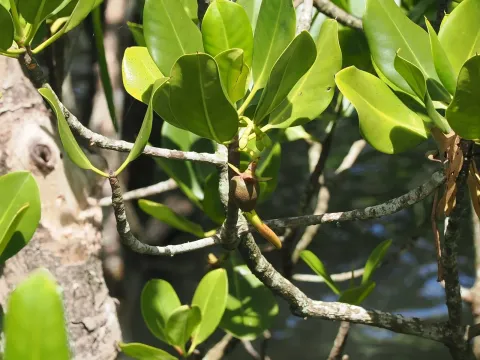
Rhizophora stylosa
Rhizophora stylosa
Rhizophora stylosa is a prominent member of the Rhizophoraceae family, primarily distributed across the Indo-Pacific coastal regions. As a quintessential mangrove species, it is highly specialized to thrive in saline intertidal environments where soil conditions are often anaerobic.
What the section contains
Rhizophora stylosa
The climate requirements for this culture strictly involve tropical conditions with high mean temperatures throughout the year. It demands regular tidal inundation, which is essential for transporting nutrients and maintaining the necessary moisture levels within the root zone.
Soil preferences lean towards deep, soft mud or sandy sediments rich in organic matter. The physical stability of the tree is maintained by its distinctive stilt roots, which provide mechanical support against the turbulent forces of coastal tides and strong winds.
Botanically, the species is recognized by its dense, evergreen foliage and its unique method of reproduction. It produces propagules that germinate while still attached to the parent plant, allowing them to establish quickly in the sediment once they drop into the water.
Economically, the plant is valued for its ability to stabilize shorelines and mitigate coastal erosion. Its wood is dense and highly durable, traditionally used for construction materials, tool handles, and the production of premium-grade charcoal.
Primary threats to Rhizophora stylosa populations include industrial coastal development and the conversion of mangrove forests into shrimp farming ponds. These activities often result in habitat fragmentation and irreparable damage to the delicate tidal hydrology.
Pests and diseases include wood-boring beetles that target the stems and specialized fungal pathogens that thrive in stagnant, high-humidity environments. Severe infestations can significantly weaken younger trees, leading to stunted growth or premature mortality.
Pollution from agricultural runoff, including nitrogen and phosphorus overload, can disrupt the natural nutrient balance required for healthy root development. Additionally, oil spills pose a lethal threat by coating the aerial roots and suffocating the tree's gas exchange mechanism.
Climate change effects, such as rapid sea-level rise and increased frequency of extreme weather events, present significant survival risks. If the rate of water level increase exceeds the tree's vertical growth capacity, the plant risks being permanently submerged.
Integrated management is necessary to safeguard these forests, involving strict water quality controls and the implementation of buffer zones. Regular inspection of sapling health is critical during restoration projects to ensure long-term sustainability of the plantation.