
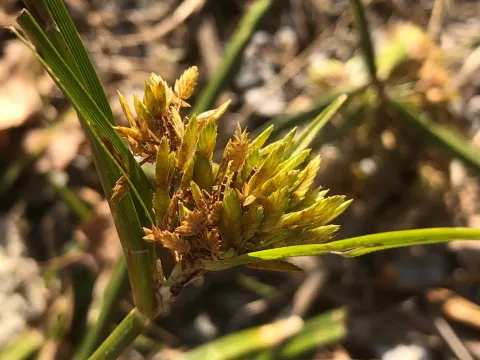
Rikliella
Rikliella
Rikliella is a genus of perennial herbaceous plants belonging to the Cyperaceae family. These plants are closely related to sedges and bullrushes, sharing similar ecological preferences for wetland habitats and damp environments.
What the section contains
Rikliella
Botanically, they are characterized by their tufted growth habit and specialized roots designed for water-saturated soils. Their distribution range is concentrated in temperate and tropical regions where hydrological conditions support high soil moisture throughout the year.
The climate requirements for Rikliella are specific to their need for consistent humidity. They thrive in areas with temperate conditions, provided that they have access to sufficient light. In shade-heavy environments, the plant exhibits signs of etiolation, losing its natural structural density.
Soil composition should ideally be rich in organic matter, such as peat or muddy substrates. They are highly efficient at nutrient uptake, making them excellent candidates for managing water quality in constructed wetlands and decorative ponds.
Horticulturally, the species is valued for its texture and ability to stabilize shorelines. It is widely used in landscape architecture as a foreground plant for pond margins, contributing to a natural aesthetic while providing essential habitat for beneficial aquatic micro-organisms.
The most significant threat to Rikliella is the fluctuation of water levels in its growing zone. Rapid drawdown of water depth can lead to desiccation and subsequent mortality of the plant, as it lacks the physiological mechanisms to tolerate prolonged drought.
Insect pests such as leaf miners and aphids can cause damage to the photosynthetic tissue. While generally not fatal, severe infestations can reduce the visual appeal and weaken the plant's ability to resist secondary infections.
Fungal pathogens represent a primary concern when water aeration is poor. Stagnant conditions often favor the development of mold or rot at the base of the stems, requiring immediate corrective action such as improving water circulation or pruning affected sections.
Invasive weed species pose a constant challenge to the survival of Rikliella in naturalized settings. Without proper maintenance, competing grasses can overwhelm the site, eventually shading out and replacing the indigenous flora.
Managing these threats requires a proactive approach centered on stable water management. Regular site inspections help identify potential issues early, ensuring that the health of the plant population is maintained within its ecosystem.