
Rhizophora
Rhizophora
Rhizophora is a genus of tropical mangrove trees within the Rhizophoraceae family. These plants are uniquely adapted to intertidal zones, where they dominate the coastal landscape in tropical and subtropical regions worldwide.
What the section contains

Rhizophora
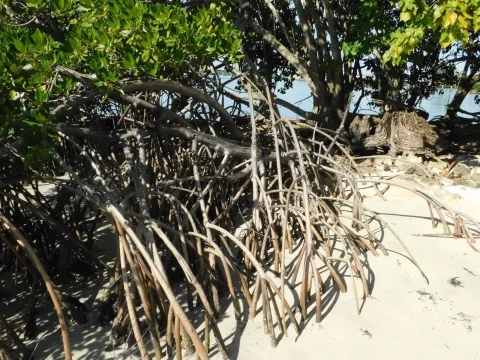
The primary growth requirement for Rhizophora is a saline-rich, waterlogged substrate. The plants feature iconic stilt roots that lift the main trunk above the water level, allowing for effective oxygen exchange even in mudflats.
Climate conditions must remain tropical, with temperatures consistently above +20°C. Rhizophora is extremely sensitive to cold and requires stable, frost-free environments to maintain its metabolic functions.
The soil type typically consists of soft, anaerobic silt or sand. This substrate must provide sufficient anchorage to withstand tidal currents while remaining nutrient-rich due to organic deposits carried by the sea.
Cultivation of Rhizophora is distinct from traditional crops, as it relies on complex natural ecological processes. The plants effectively filter salt, which is a vital mechanism for their survival in brackish waters.
The economic output of Rhizophora is traditionally linked to sustainable forestry practices. It is highly valued for its dense, heavy wood, which is known for its durability and resistance to rot in humid environments.
A significant portion of the harvested wood is converted into high-quality charcoal. This product is preferred for its high energy density and clean-burning properties compared to other biomass sources.
Harvest yields are managed through regulated silviculture cycles, ensuring that forest stands can regenerate naturally after selective thinning or controlled logging.
Beyond charcoal, the bark of Rhizophora is an important source of tannins. These substances are widely extracted for use in the leather tanning industry and pharmaceutical applications.
Environmental benefits serve as a non-monetary yield, as these forests provide essential protection against coastal erosion and habitat for various marine species.
Major threats to Rhizophora include wood-boring insects and marine mollusks that target the structural integrity of the stilt roots, potentially destabilizing the trees.
Fungal infections can occur in the canopy under conditions of extreme moisture, leading to leaf spot and reduced photosynthetic capacity in young specimens.
Water pollution, particularly from petroleum products, can coat the root systems, effectively suffocating the plants by preventing gas exchange through lenticels.
Over-harvesting for charcoal production remains a significant risk if the cultivation area is not managed with strict reforestation protocols and protection measures.
- Regular monitoring of coastal water quality.
- Integrated pest management for wood-boring organisms.
- Enforcement of sustainable forest management guidelines.