
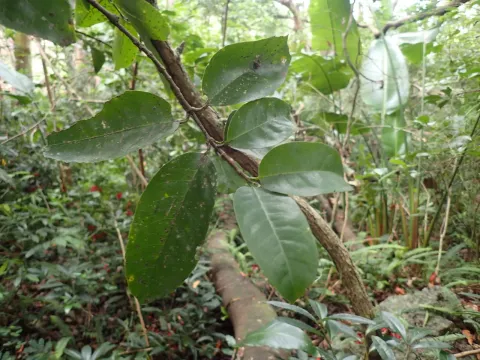
Cassipourea gummiflua
Cassipourea gummiflua
Cassipourea gummiflua is a member of the Rhizophoraceae family, primarily known as a tropical forest tree native to the African continent and Madagascar.
What the section contains
Cassipourea gummiflua
This species thrives in high-humidity environments and is typically found in evergreen forest zones where rainfall is consistent and soil moisture is high.
In terms of soil requirements, the tree prefers deep, fertile, and well-drained loam or clay-loam substrates, which allow for extensive root development.
The tree reaches significant heights and exhibits a robust canopy, making it a valuable component of forest ecosystems and a resource for sustainable timber harvesting.
Economic applications are broad, ranging from high-quality timber for local construction and furniture making to the use of bark extracts in traditional pharmacopoeia.
The most common biological threats to these trees include wood-boring insects, which can create tunnels in the wood, affecting its mechanical properties and commercial value.
Root rot caused by fungal pathogens is a critical threat in plantation settings where drainage might be insufficient during extreme rainy seasons.
Deforestation and habitat loss present the greatest anthropogenic challenge, leading to a decline in genetic diversity within the species' natural range.
Seedlings and young saplings are particularly sensitive to environmental stress, including intense competition from faster-growing invasive plant species.
Effective management requires strict adherence to silvicultural practices, including spacing control and regular health assessments to detect early signs of infestation.