
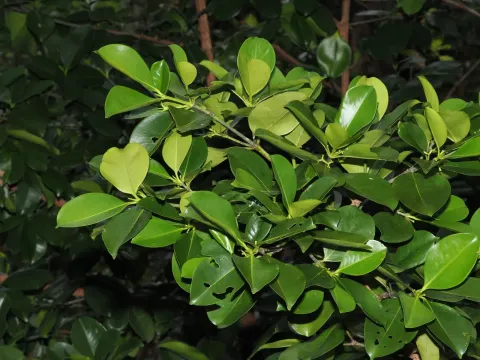
Carallia
Carallia
Carallia is a genus of evergreen trees and shrubs within the Rhizophoraceae family. Unlike its mangrove relatives, most species within this genus thrive in tropical rainforest environments, ranging from lowland areas to mountain forests.
What the section contains


Carallia
The plant requires a strictly tropical climate to prosper. Ideal growing conditions involve consistent temperatures between 22 and 30 degrees Celsius, with no frost tolerance whatsoever. Excessive heat paired with high humidity constitutes the perfect environment.
Soil preferences lean towards deep, well-draining, yet moisture-retentive substrates rich in leaf litter and organic matter. They are often found growing near freshwater streams where the soil remains consistently damp throughout the year.
Cultivation practices involve ensuring sufficient moisture levels and protecting young saplings from harsh, direct sunlight. Partial shade during the establishment phase is critical for the healthy development of the plant's structural integrity.
Economically, Carallia is highly valued for its durable and aesthetically pleasing timber. Often marketed as peacock wood, it is utilized in high-end cabinet making, fine woodworking, and the production of specialized musical instruments due to its dense grain.
The genus is susceptible to various fungal pathogens that target the root system, particularly when planted in soil with poor drainage or stagnant water conditions.
Timber-boring insects present a major threat, as they tunnel through the sapwood and heartwood, significantly reducing the commercial value of the timber produced by the trees.
Deforestation and habitat fragmentation are the primary external threats, causing a decrease in natural populations of Carallia species across their native ranges.
Overcrowding in plantation settings can lead to increased pest pressure, necessitating precise spacing to allow for adequate airflow and disease prevention.
Integrated pest management strategies are often recommended to maintain the health of the trees, focusing on maintaining tree vigor and minimizing stress from environmental fluctuations.