
Cassipourea
Cassipourea
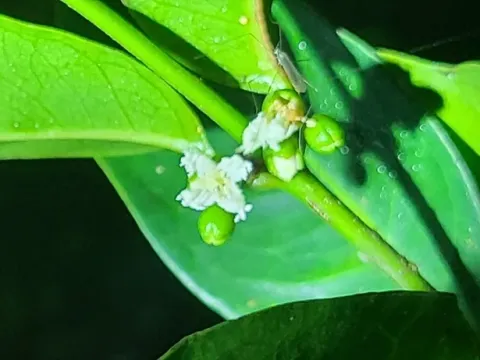
Cassipourea is a genus of evergreen trees and shrubs belonging to the Rhizophoraceae family. These plants are native to the tropical and subtropical regions of Africa and parts of South America, typically thriving in dense forest environments.
What the section contains


Cassipourea
The culture requires a consistently warm and humid climate to flourish. It is sensitive to extreme temperature fluctuations and prefers locations that offer protection from harsh winds while maintaining steady, diffused light exposure.
The ideal soil conditions for Cassipourea include well-drained, nutrient-rich, and slightly acidic substrates. The plant is intolerant to waterlogged soils, which necessitates the use of a proper drainage system, especially in containerized or high-density cultivation settings.
In its natural habitat, Cassipourea is often found in high-rainfall areas. Consequently, adequate moisture management is essential during the dry season to prevent physiological stress and promote continuous vegetative growth.
General maintenance in managed plantations involves light pruning to encourage strong structural development, the application of organic fertilizers to maintain soil fertility, and consistent monitoring of soil moisture levels.
Cassipourea is commercially valued primarily for its dense, durable timber, which is suitable for fine carpentry and construction. The wood's natural resistance to degradation makes it a preferred choice for long-term applications.
Beyond timber, certain species, such as Cassipourea flanaganii, are highly sought after for their bark, which contains active compounds utilized in traditional cosmetics and dermatological formulations.
Productivity is contingent upon optimal silvicultural practices and tree age. A sustainable harvesting cycle for timber typically ranges from 15 to 25 years, depending on the specific species and local environmental conditions.
Sustainable bark harvesting is a critical component of the industry. Responsible extraction methods must be employed to prevent damaging the cambium layer, thereby ensuring the longevity and continued health of the trees.
Current agricultural research focuses on clonal propagation and habitat-specific selection to maximize the yield of both timber and botanical extracts, supporting both forestry and pharmaceutical sectors.
Fungal diseases are the most significant threat to Cassipourea, particularly in high-humidity environments. Leaf spotting and blight can quickly spread if canopy airflow is insufficient or if plants are spaced too closely together.
Wood-boring insects represent a major challenge for timber quality. These pests tunnel into the trunk and branches, compromising the structural integrity of the wood and providing entry points for secondary infections.
Root rot caused by water stagnation is a primary cause of mortality in nurseries and plantations. Proper site selection and land preparation are essential strategies to mitigate the risk of pathogen accumulation.
Competing vegetation, particularly aggressive grasses and pioneer species, can suppress the growth of young Cassipourea trees. Regular weeding and the use of mulch are necessary to ensure the saplings establish strong root systems.
Integrated pest management (IPM) protocols, including the use of biological controls and selective application of appropriate pesticides, are recommended to maintain plantation health while minimizing environmental impact.