
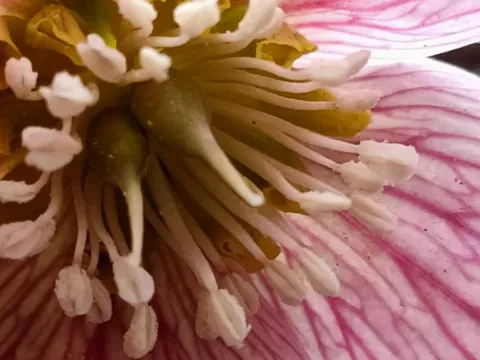
Tibetan Hellebore
Helleborus thibetanus
The propagation of Tibetan Hellebore typically starts from seeds, which require a specific period of cold stratification to break dormancy. Sowing is best performed in late autumn, allowing the seeds to experience winter temperatures naturally, which is crucial for successful germination in the following spring.
What the section contains
Tibetan Hellebore
When sowing in containers, use a well-draining, sterile potting mix and place the pots in an unheated greenhouse or a shaded outdoor area. Patience is required, as germination can be irregular and may extend over several months; keeping the soil moist but not waterlogged is essential.
Transplanting young seedlings into the garden should be done carefully, ideally in early spring once the soil is workable. It is important to minimize disturbance to the delicate root system, as this plant species is known to be sensitive to relocation and takes time to establish.
Spacing should be calculated based on the plant's mature size, with at least 30 to 40 centimeters between individual specimens. This allows for adequate air circulation around the crown of the plant, which is vital for preventing humidity-related diseases during the peak growing season.
Vegetative propagation is also possible through division, which is typically carried out during the plant's dormant period. Each division must contain a healthy portion of the rhizome and several viable buds to ensure the establishment of a robust new plant in the garden environment.
Tibetan Hellebore, a member of the Ranunculaceae family, originates from the mountainous regions of China. To replicate its natural habitat, it requires a semi-shaded environment that protects it from the harsh intensity of mid-day sun, similar to conditions in a woodland understory.
The soil structure must be loose, rich in organic matter, and possess excellent drainage to prevent root rot. Incorporating compost or decomposed leaf mold into the planting hole significantly improves the quality of the soil and supports the long-term vigor of the perennial.
Climate considerations are paramount for this species, as it prefers cool, moist summers. In regions experiencing higher temperatures, it is necessary to provide adequate irrigation and thick layers of organic mulch to keep the soil temperature stable and retain vital moisture throughout the season.
Regarding soil chemistry, Tibetan Hellebore thrives in neutral to slightly alkaline conditions. Regular maintenance involves a light top-dressing of organic fertilizer each spring, which provides the necessary nutrients for the development of both the foliage and the early-blooming flowers.
While the species is hardy, it benefits from protection in regions with extremely cold and dry winters. Covering the base of the plant with a layer of mulch or pine boughs helps insulate the emerging flower buds from desiccation and frost damage during the early spring cycle.
Fungal pathogens represent the primary threat to Tibetan Hellebore, particularly when plants are grown in overcrowded conditions with poor airflow. Leaf spot is the most frequent affliction, appearing as discolored lesions that can rapidly reduce the aesthetic and physiological health of the plant.
Root rot occurs as a result of poor soil drainage or excessive irrigation, which creates an anaerobic environment for the roots. Prevention includes strict adherence to a moderate watering schedule and ensuring that the planting site has a slope or gravel layer for effective water removal.
Pest pressure is usually manageable, with aphids being the most common insect to infest new growth. Regular inspection of the undersides of the leaves and the developing flower buds allows for early intervention using insecticidal soaps or biological controls that target specific pests.
Gastropods such as slugs and snails are problematic in spring, as they tend to feed on the succulent young leaves. Setting up physical barriers or using organic baits can help manage these pests before they inflict significant damage on the foliage of the plant.
Proactive garden management, including the removal of dead or decaying foliage during the late autumn, is the most effective way to minimize disease outbreaks. Maintaining a clean growing environment prevents the buildup of fungal spores and keeps the plants healthy throughout the year.