
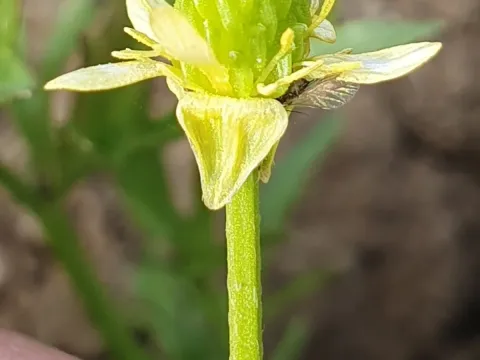
Three-lobed buttercup
Ranunculus trilobus
The three-lobed buttercup (Ranunculus trilobus) is an annual herbaceous species within the Ranunculaceae family. While typically considered a weed in field systems, understanding its biological cycle is crucial for effective farm management and competition control.
What the section contains
Three-lobed buttercup
Seeds germinate primarily in early spring when soil temperatures reach stable levels of approximately +8 to +10 degrees Celsius. Timely field inspections during the emergence phase are necessary to prevent the plant from establishing deep roots.
The vegetation period is characterized by rapid development of basal rosettes. If left unchecked, the plant quickly competes with crop seedlings for essential resources such as nitrogen and phosphorus, significantly affecting crop density.
Seed production is prolific, with individual plants capable of releasing thousands of seeds that remain viable in the soil seed bank for multiple seasons. This necessitates a strategic approach to field rotation and soil disturbance.
Mechanical control, such as inter-row cultivation during the early rosette stage, is highly effective. By disrupting the root system early, farmers can significantly reduce the potential population density without resorting to intensive chemical applications.
This species thrives in moist, heavy, and sometimes saline soils. It acts as an ecological indicator for waterlogged areas, making it common in depressions or fields with poor drainage systems where moisture accumulates.
The optimal climate for Ranunculus trilobus is temperate, with a preference for mild winters and damp spring seasons. The plant shows high resilience to saturated soil conditions, which gives it a competitive edge over many conventional crops.
Light availability is a primary growth driver. Although it displays a degree of shade tolerance, it achieves maximum biomass in full sun, often flourishing in open field spaces or areas with thin crop canopies.
Soil nutrient levels affect the density of the infestation. While the species can persist in nutrient-poor soils, it reacts vigorously to the application of organic fertilizers, often showing accelerated development compared to surrounding flora.
Managing soil moisture through improved drainage is the most sustainable way to limit the presence of this buttercup. Reducing excess water levels forces the soil environment out of the plant's ideal ecological niche.
The primary concern regarding this plant is its inherent toxicity. It contains protoanemonin, which causes irritation and gastrointestinal distress if consumed by grazing livestock, posing a serious risk to fodder quality.
While the plant is generally robust, it can be susceptible to various insect pests, including leaf beetles and aphids. However, these pests rarely cause enough damage to suppress the population, as the plant possesses significant recovery power.
Fungal diseases, such as downy mildew, may affect the foliage during periods of prolonged humidity. These pathogens usually result in cosmetic damage or slowed development rather than total mortality, highlighting the species' durability.
The competitive pressure exerted on main crops is the most significant threat to agricultural productivity. The buttercup's rapid growth rate allows it to overshadow crop seedlings, leading to reduced overall yield at harvest time.
Chemical control remains a standard management practice. Systemic herbicides targeting dicotyledonous weeds are effective when applied at the correct growth stage, though integrated pest management strategies are preferred to ensure environmental safety.