
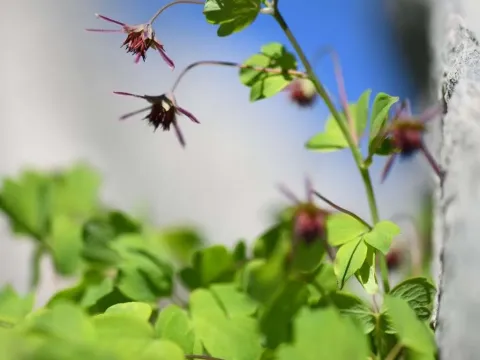
Thalictrum macrocarpum
Thalictrum macrocarpum
Thalictrum macrocarpum, commonly known as a type of meadow rue, is a perennial herbaceous plant belonging to the Ranunculaceae family. It is native to the mountainous regions of the Iberian Peninsula, thriving in cool climates.
What the section contains
Thalictrum macrocarpum
This crop requires fertile, moist, and well-drained soils to establish its root system properly. It is best suited for partial shade locations, as excessive direct sunlight can cause leaf scorching and moisture stress.
Climate requirements include protection from hot, drying winds. The plant demonstrates high winter hardiness, although applying organic mulch around the base is beneficial to regulate soil temperature during the dormant phase.
Agricultural practices involve regular maintenance of soil structure through light hoeing. Irrigation must be consistent, as the plant does not tolerate prolonged drought during its peak growing season.
The primary use of Thalictrum macrocarpum is ornamental. It is widely prized in horticulture for its feathery, fern-like foliage and elegant, airy inflorescences that add texture to perennial borders.
Propagation is primarily achieved through seeds. Autumn sowing is highly recommended, as the seeds require a period of cold stratification to break dormancy and ensure high germination rates in the spring.
If spring sowing is necessary, seeds must undergo artificial stratification by keeping them in a moist, cold environment (refrigerator) for several weeks. They should be sown shallowly into a light, airy seedling mix.
The main threats to this crop include fungal pathogens such as powdery mildew and various leaf spot diseases, especially in areas with high humidity and poor ventilation. Proper spacing is crucial to mitigate these risks.
Insect pests include aphids and mites, which are particularly active in warm, dry weather. Integrated pest management, including regular inspection and the use of targeted biological controls, helps maintain plant health.