
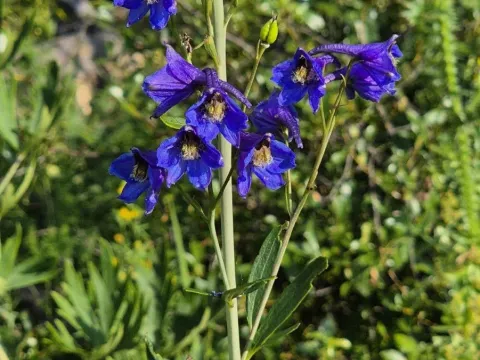
Wedge-leaved larkspur
Delphinium cuneatum
Delphinium cuneatum, commonly known as the wedge-leaved larkspur, is a perennial herbaceous plant belonging to the Ranunculaceae family. It is distinguished by its unique leaf structure and upright growth habit, which allows it to thrive in diverse ecological niches across its native range in Eurasia.
What the section contains
Wedge-leaved larkspur
This species is highly adapted to temperate climates, demonstrating excellent frost resistance during the dormant winter period. It prefers locations with high solar radiation, as sufficient sunlight is crucial for the development of robust flowering stalks and the overall health of the plant throughout its growing cycle.
Optimal growth is achieved in fertile, well-drained loamy soils that maintain a neutral to slightly alkaline pH. Proper soil drainage is essential for the species, as stagnant moisture can lead to root system decay, which is the most common cause of failure in poorly managed cultivation plots.
Agricultural management requires consistent weeding and soil aeration to promote oxygen exchange around the root zone. Supplementing the soil with organic amendments during early spring stimulates vigorous vegetative growth, ensuring the plant reaches its full height and produces high-quality floral spikes.
Economically, the wedge-leaved larkspur is valued as an ornamental crop in landscape gardening and for its pharmacological potential. It contains specific alkaloids that have been studied for their medicinal properties, though industrial processing requires strict adherence to safety and extraction protocols.
Powdery mildew represents the primary pathological threat to this culture, especially in environments with high humidity levels and poor air circulation. Implementing proper spacing between plants is an effective cultural practice to mitigate the risk of fungal proliferation.
Insect pests, including aphids and various species of caterpillars, can cause significant damage to the foliage and buds. Regular field monitoring is vital, allowing for the timely application of targeted pest control measures that protect the plant's structural integrity and aesthetic value.