
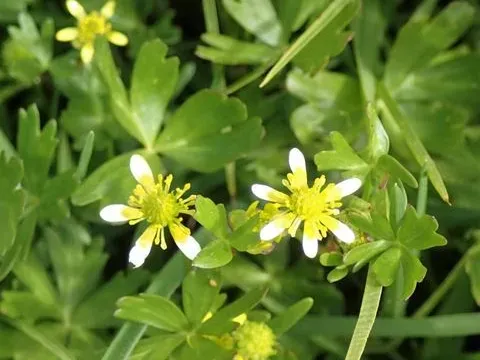
River buttercup
Ranunculus rivularis
The river buttercup (Ranunculus rivularis) is a member of the Ranunculaceae family. It is a perennial herbaceous plant native to damp environments in New Zealand and Australia, typically found thriving along the margins of lakes, streams, and wetlands.
What the section contains
River buttercup
Botanically, this species is defined by its creeping stems that readily root at the nodes when in contact with moist soil. This growth habit allows it to form dense, mat-like patches of foliage, which serves both aesthetic and ecological functions in its native habitat.
Regarding cultivation requirements, the plant demands consistent soil moisture to thrive. It performs best in nutrient-rich soils that retain water well, making it an ideal candidate for bog gardens or the shallow edges of ornamental ponds where other plants might struggle with over-saturation.
Management practices focus on monitoring water levels to prevent the substrate from drying out, which is the primary cause of plant stress. Regular maintenance involves thinning out overly dense patches to ensure air circulation and healthy leaf development during the growing season.
The main economic use of the river buttercup is within the horticultural sector as an ornamental ground cover for aquatic landscapes. Its ability to colonize damp ground makes it a preferred choice for erosion control and naturalizing the edges of artificial water features.
Common plant health threats include fungal infections such as root rot, which occurs in stagnant water conditions. Additionally, the plant may be vulnerable to aphid infestations, particularly when environmental conditions cause the foliage to lose some of its natural turgor pressure.