
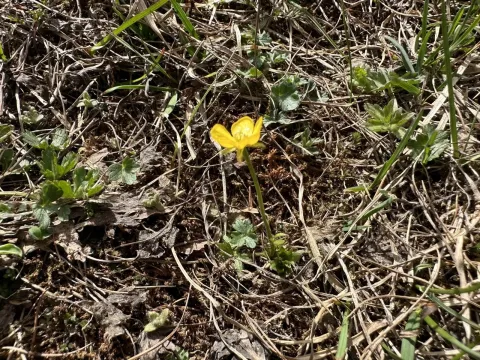
Ranunculus villarsii
Ranunculus villarsii
Ranunculus villarsii is a perennial herbaceous plant belonging to the Ranunculaceae family. It is native to the high-altitude alpine regions of Europe, specifically flourishing in limestone screes and rocky meadows at high elevations.
What the section contains
Ranunculus villarsii
This species is highly adapted to harsh mountain climates. In cultivation, it requires well-draining soil, ideally a gritty or stony substrate that mimics its natural habitat. Alkaline or neutral soil conditions are preferred for healthy development.
Sunlight requirements are significant, as the plant thrives in open, sunny locations with cool air circulation. Excessive heat and humidity during summer months are detrimental, which is why it is best suited for rock gardens in cooler regions.
Propagation is typically achieved through seeds, which often require cold stratification to break dormancy. Once established, the plant forms a compact clump, making it an excellent candidate for alpine landscaping or collection gardens.
The ornamental value lies in its early spring bloom and unique foliage. Gardeners should avoid heavy soil compositions, as they can cause root suffocation, leading to rapid decline of this sensitive mountain species.
The primary threats to Ranunculus villarsii are root rot and fungal pathogens caused by waterlogged soil conditions. Proper drainage is the most critical factor in mitigating these risks in a garden environment.
Powdery mildew can affect the foliage during periods of stagnant air and high humidity. Improving airflow around the plants and avoiding overhead watering can significantly reduce the incidence of this fungal disease.
Pests such as spider mites and aphids are known to feed on the foliage during hot and dry spells. Regular monitoring and the application of mild horticultural oils or soaps can help manage these populations effectively.
Slugs and snails pose a severe risk to the tender growth of the plant, especially in moist or shaded areas. Implementing physical barriers or safe molluscicides is essential for protecting young rosettes during the growing season.
To ensure long-term health, it is recommended to apply a top dressing of grit or gravel around the crown of the plant. This practice prevents the leaves from coming into direct contact with wet soil and promotes better aeration.