
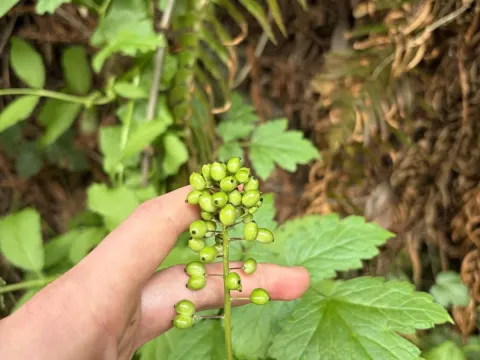
Red baneberry
Actaea rubra
Sowing Actaea rubra seeds is most successful when done in the autumn for outdoor cold stratification. The seeds require a prolonged exposure to cold temperatures to break dormancy, making natural winter cooling the most effective approach for germination.
What the section contains
Red baneberry
For spring sowing, seeds must undergo artificial stratification in a refrigerator for 3 to 4 months at a temperature between +1 and +5 degrees Celsius. It is crucial to monitor the moisture level of the substrate during this period to prevent the seeds from drying out.
Seeds should be sown at a depth of about 1-2 centimeters in a light, nutrient-rich, humus-based soil mix. Since the seeds are small, they should not be buried too deep to ensure they have enough energy to reach the surface after germination.
Germination can be erratic and slow, sometimes taking several months or even until the following season. Patience is required, and the seed trays should be kept in a controlled, moist environment until the seedlings have established their first set of true leaves.
Vegetative propagation via root division is also a common and faster way to establish new plants. This is typically performed in early spring as the plant begins to show its first signs of growth, ensuring the division has enough root mass to survive relocation.
Red baneberry belongs to the Ranunculaceae family and is an herbaceous perennial native to cool, moist forests across North America. In a garden setting, it thrives best in shaded locations that mimic the understory of a woodland canopy.
The plant demands rich, well-draining, and moisture-retentive soil, preferably with a slightly acidic to neutral pH. It does not tolerate prolonged drought or waterlogged soil, both of which can compromise the root system and plant health.
A cool climate is ideal for this species, as it is highly winter-hardy and requires little protection against frost in temperate regions. It is best placed in a sheltered spot away from drying winds that could damage its lush, compound foliage.
Regular maintenance involves keeping the soil consistently moist during the summer months, especially during dry spells. Mulching with leaf mold or organic compost helps preserve ground moisture and creates a natural microenvironment beneficial for the plant.
Safety must be a priority, as all parts of the red baneberry are considered toxic if ingested. Ornamental berries should never be consumed, and the plant should be situated in areas inaccessible to small children and pets.
Fungal diseases, particularly powdery mildew, can affect the leaves during periods of poor air circulation and high humidity. These infections usually manifest as white spots on the foliage and can lead to premature leaf drop if left untreated.
Root rot is a significant danger in poorly drained clay soils, often caused by overwatering or excessive accumulation of water in the root zone. Ensuring excellent soil structure and providing a drainage layer can prevent this issue.
Slugs and snails are the most frequent pests, particularly in the spring when tender young shoots are emerging. Using barriers like crushed eggshells or environmentally friendly pellets can help protect the plants from significant damage.
Certain soil-dwelling insects may attack the rootstock, leading to stunted growth or the eventual death of the plant. Regular monitoring of the plant's vigor is essential to detect pest activity before it becomes a severe infestation.
Sanitation practices such as removing dead foliage at the end of the season are vital for disease control. By cleaning up the garden area in the late autumn, the overwintering potential for pathogens and pests is significantly reduced.