
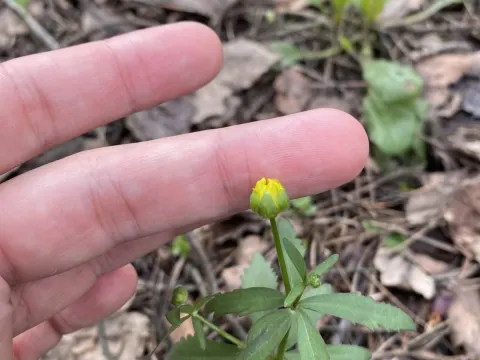
Cassubian buttercup
Ranunculus cassubicus
The Cassubian buttercup (Ranunculus cassubicus) is a perennial herbaceous plant belonging to the Ranunculaceae family. It is natively distributed across the deciduous forests and meadows of Europe, where it thrives in fertile, moisture-rich environments.
What the section contains
Cassubian buttercup
The botanical structure of the plant includes a distinct set of basal leaves with a heart-shaped base and erect, slightly branching stems. The roots are fibrous and clustered, providing the necessary nutrients for the plant to bloom early in the spring season.
Regarding cultivation requirements, this plant prefers humus-rich soils that maintain a consistent moisture level. It is highly adapted to partial shade, making it an excellent choice for woodland gardens or areas under the canopy of mature deciduous trees.
The agrotechnical management of the species involves ensuring soil aeration and preventing waterlogging, which the roots may be sensitive to. It is a hardy plant that survives winter dormancy well, requiring minimal intervention once established in a suitable microclimate.
The primary use of the Cassubian buttercup is ornamental. It is valued in landscape architecture for its ability to brighten up shady garden spots during the spring, offering a soft yellow bloom that complements other shade-loving flora effectively.
The plant contains compounds like protoanemonin, which provides natural defense against many herbivores. However, horticultural specimens can still be susceptible to common fungal pathogens if the growing environment is not properly managed.
The most frequent threats include root rot caused by poor soil drainage and powdery mildew during humid weather. Maintaining proper spacing and ensuring that the air circulates freely around the plants are essential strategies for mitigating these potential risks.