
Ceratocephala
Ceratocephala
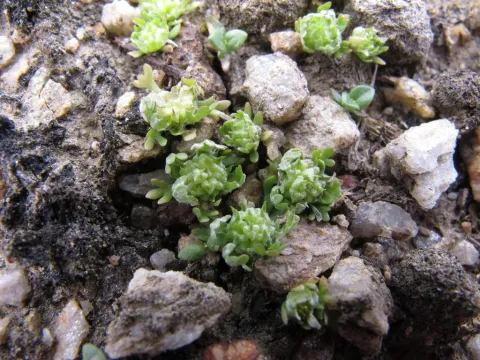
Ceratocephala is a genus of small, herbaceous plants belonging to the Ranunculaceae family. These plants are known as spring ephemerals, completing their life cycle in the early part of the growing season.
What the section contains


Ceratocephala
Native to Eurasia, these plants are primarily found in steppe environments and grasslands. They thrive in well-drained soils and are highly tolerant of the volatile weather patterns typical of early spring.
Morphologically, they are characterized by their basal rosettes of leaves and small, distinctive seeds that often possess specialized appendages. These features facilitate seed dispersal in open habitats.
In agricultural systems, Ceratocephala can act as a weed, competing with winter crops for essential nutrients and moisture. Its rapid early-season growth allows it to occupy niche spaces within crop fields effectively.
The plant demonstrates significant environmental adaptability, preferring locations with high sunlight exposure. It plays a minor role in providing early forage for pollinators but is generally considered an unwanted guest in commercial agriculture.
The primary threat posed by Ceratocephala in agricultural settings is its role as a competitive weed. It utilizes resources early in the season, potentially depriving young crop plants of growth energy.
Effective management includes mechanical soil cultivation, which is highly efficient during the early development phase of the weed. Deep tillage helps in reducing the seed bank in the soil profile.
Chemical control via selective herbicides is another primary management tool. Applications should be timed correctly to ensure maximum impact during the vulnerable rosette stage of the weed.
Due to its short lifespan, the plant is rarely attacked by significant specialized pests or diseases. It usually matures and sheds its seeds before most common crop pathogens become prevalent.
Integrated weed management remains the most reliable strategy. Combining cultural practices, such as competitive crop density, with chemical options ensures minimal economic impact on the harvest.