
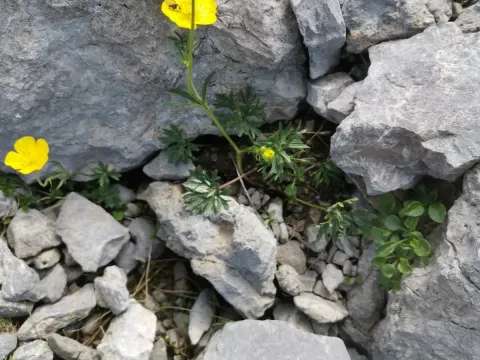
Carinthian buttercup
Ranunculus carinthiacus
The Carinthian buttercup (Ranunculus carinthiacus) is a perennial herbaceous plant belonging to the Ranunculaceae family. Native to the mountainous regions of Central Europe, it is well-adapted to the specific environmental conditions of subalpine meadows and rocky outcrops.
What the section contains
Carinthian buttercup
The plant requires well-draining, moderately fertile soil with a neutral or slightly alkaline pH. Good soil structure is essential to prevent waterlogging, which is a major limiting factor for the healthy development of its root system.
Climate requirements include exposure to cool to temperate mountain conditions. While the species is frost-hardy, it prefers sites that receive morning sunlight but are protected from intense afternoon heat, which can stress the plant during its active growth phase.
Botanically, it is distinguished by a basal rosette of finely divided leaves and erect flowering stems producing characteristic bright yellow blossoms. Its growth cycle is synchronized with the spring thaw, making it an excellent candidate for early-season displays.
Commercially, the plant is primarily used in ornamental horticulture, particularly in alpine rock gardens and specialized landscapes. Its cultural significance lies in its ability to bring a naturalistic, mountain-meadow aesthetic to temperate garden environments.
Common diseases affecting this species include powdery mildew and various types of root rot, often triggered by excessive moisture or poor drainage. Maintaining proper spacing between individual plants is key to improving airflow and reducing fungal pressure.
Pest threats include aphids and spider mites, which can cause significant damage to foliage during dry periods. Integrated pest management strategies, such as physical removal or mild horticultural soaps, are recommended for small-scale cultivation.
Preventative care involves keeping the growing area free of debris and weeds, which can serve as reservoirs for diseases. Regular monitoring for early signs of infestation is crucial to maintain plant vigor.
In cases of severe infection, targeted fungicide or insecticide applications may be necessary. It is essential to apply these treatments only when temperatures are moderate to avoid phytotoxicity and protect the foliage from burns.
Post-season sanitation is an essential part of the agricultural cycle for this species. Removing dead vegetation helps to minimize the overwintering capacity of pests and pathogens, ensuring a healthier start for the plant in the following year.