
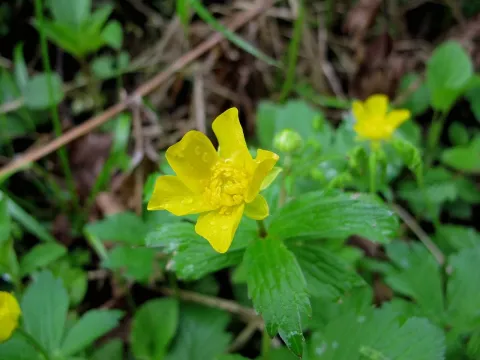
Carpathian buttercup
Ranunculus carpaticus
The Carpathian buttercup (Ranunculus carpaticus) is a perennial herbaceous plant belonging to the Ranunculaceae family. It is an endemic species native to the high-altitude meadows and woodlands of the Carpathian Mountains.
What the section contains
Carpathian buttercup
Botanically, the plant is characterized by its basal rosette of rounded, serrated leaves and striking yellow flowers. Its growth habit is compact, typically reaching a height of 20 to 50 cm, with a strong root system adapted to rocky and high-moisture environments.
The species requires moist, well-drained, nutrient-rich soils. In its natural habitat, it thrives in cool, alpine conditions where soil moisture remains consistent throughout the growing season, preventing the roots from drying out.
Cultivation success depends on providing a location that mimics alpine conditions. This means cool temperatures, sufficient moisture, and protection from the intense midday sun. It is particularly well-suited for rock gardens or north-facing border areas where the environment remains stable.
While primarily valued for its ornamental appeal, the Carpathian buttercup is a niche plant used by enthusiasts for alpine garden design. Its resilience in cool climates makes it a desirable candidate for rockeries that require low-maintenance, hardy perennials.
Fungal diseases are the primary threat when growing the plant in non-native environments, particularly if drainage is poor. Root rot is a common issue if the soil remains waterlogged, necessitating the use of coarse substrates in the planting mix.
Pests such as slugs and snails are often attracted to the lush foliage of the buttercup during wet spells. Integrated pest management, such as the use of physical barriers, is recommended to protect the plant's aesthetic value throughout the spring and early summer.