
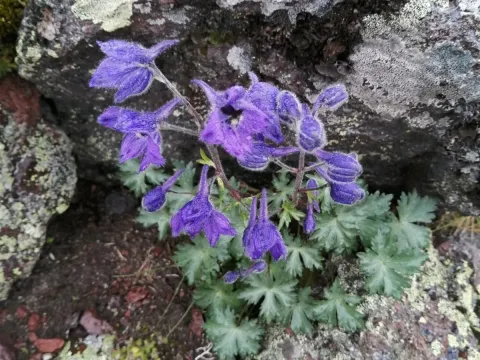
Caucasian Larkspur
Delphinium caucasicum
Caucasian Larkspur (Delphinium caucasicum) is a herbaceous perennial plant belonging to the Ranunculaceae family. Native to the alpine and subalpine zones of the Caucasus Mountains, it is highly adapted to cooler temperatures and high altitudes.
What the section contains
Caucasian Larkspur
The plant thrives in regions with moderate moisture and requires excellent drainage. It does not tolerate waterlogging, which necessitates planting in slightly sloped or well-drained sandy-loam soils to prevent root decay.
Regarding climate, Delphinium caucasicum requires significant sunlight for optimal growth and flowering. It prefers environments that mimic its natural habitat, including well-ventilated areas that avoid stagnation of hot and humid air.
Agronomic management includes soil preparation with organic matter to improve structure while maintaining a neutral pH. Consistent, yet light fertilization is recommended to support steady growth without encouraging excessive vegetative development.
Due to the presence of potent alkaloids, Caucasian Larkspur is primarily utilized in medicinal research and specialized floriculture. Its biochemical profile makes it a significant, albeit toxic, subject for pharmacological study.
The primary diseases affecting this species are fungal, specifically powdery mildew and stem rot, which proliferate under conditions of high humidity and poor air circulation around the crown of the plant.
Pests such as the delphinium aphid and various leaf-mining larvae pose significant threats. These pests disrupt the photosynthetic capacity of the plant and can vectors for viral diseases within the population.
Root-knot nematodes represent a serious subterranean threat that can stunt growth and cause wilting. Crop rotation and soil solarization are effective preventative measures used in cultivation sites.
Slugs and snails can cause substantial damage to young shoots in the early growing season. Physical barriers or organic molluscicides are often employed in commercial fields to protect the young plants.
Integrated Pest Management (IPM) is essential for maintaining the health of the crop. This involves regular scouting for early infestation signs and applying targeted interventions to keep the population density of pests below the economic injury level.