
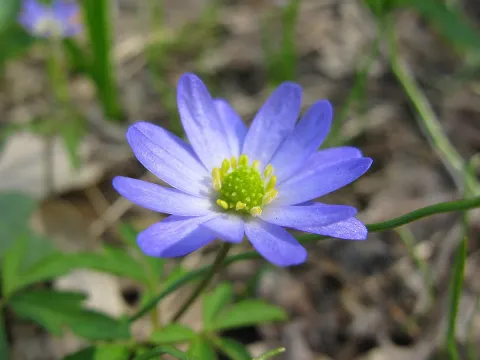
Caucasian Anemone
Anemone caucasica
The Caucasian Anemone (Anemone caucasica) is a herbaceous perennial belonging to the Ranunculaceae family. It is recognized as a typical spring ephemeral, completing its vegetative cycle before the canopy of the forest thickens.
What the section contains
Caucasian Anemone
The species originates from the mountainous areas of the Caucasus region. It naturally thrives in woodland settings and alpine meadows where it benefits from high humidity and indirect sunlight during the spring thaw.
Botanically, the plant features a tuberous root system and produces elegant blue or light-blue flowers on short, slender stems. The plant usually grows to a height of about 10–25 cm, forming small, dense clusters.
For cultivation purposes, it requires well-draining, loose soil enriched with organic matter. Neutral to slightly acidic soil conditions are ideal, ensuring that the tubers do not suffer from waterlogging during the summer dormancy period.
This plant is highly valued for horticultural use, particularly in shade gardens and rockeries. Its early blooming period makes it an essential component for gardeners looking to extend the visual interest of their outdoor spaces.
The primary concern for growers is fungal pathogens which often thrive in overly damp soil. Root rot is a common issue that can lead to the complete decay of the tubers if the drainage system is inadequate.
Pests such as leaf nematodes can cause significant damage to foliage. If detected, infested plants should be removed and destroyed to prevent the spread of the pathogen to neighboring areas of the garden.
Spider mites can occasionally infest the plants during prolonged dry spells. If these pests are present, it is recommended to apply suitable treatments to maintain the health and vigor of the spring foliage.
Slugs and snails often feed on the emerging leaves, which may hinder the plant's ability to store enough energy for the next growing season. Protective barriers or baits are recommended when pest pressure is high.
Maintaining a clean growing environment by removing dead vegetation helps reduce the risk of overwintering pathogens. Proper site management ensures the longevity and beauty of these delicate spring flowers.