
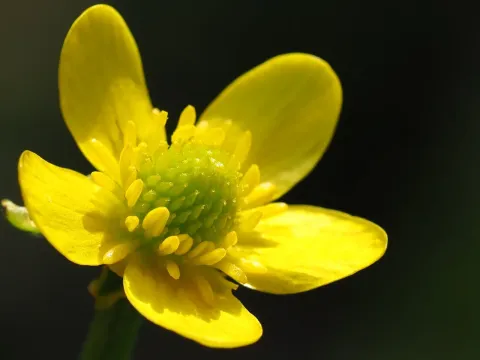
Canton buttercup
Ranunculus cantoniensis
The Canton buttercup (Ranunculus cantoniensis) is a perennial herbaceous plant belonging to the Ranunculaceae family. It is native to the temperate and subtropical regions of Asia, specifically flourishing in areas with consistent moisture and rich, loamy soils.
What the section contains
Canton buttercup
In terms of growth requirements, the plant thrives in partial shade or diffuse sunlight. High light intensity, combined with low humidity, is detrimental to the development of its foliage. It prefers environments near water bodies, such as stream banks and moist forest edges.
Botanically, the species is distinguished by its compound, trifoliate leaves and relatively small, bright yellow flowers. The growth habit is typically spreading, and the root system is well-adapted to absorbing nutrients from moist, water-saturated soils.
Agronomic management of this plant involves maintaining soil structure to ensure it remains aerated despite the high water content. Regular removal of competing weeds is essential during the early stages of establishment to ensure the crop has sufficient access to nutrients.
Economic and research utility includes its role in botanical studies regarding the chemical composition of the Ranunculus genus. While not a conventional commercial field crop, it holds value in ecological restoration projects aiming to revitalize wetland habitats and riparian zones.
Disease threats primarily involve fungal pathogens like downy mildew, which spread rapidly in crowded, humid conditions. Crop rotation and maintaining adequate spacing between individual plants are the most effective cultural control methods.
Pest pressures include various sucking insects, such as aphids and leafhoppers, which can transmit viral diseases. Monitoring leaf underside for early symptoms is a critical component of standard plant health management for this species.