
Ceylon clematis
Clematis zeylanica
Description
Growing requirements
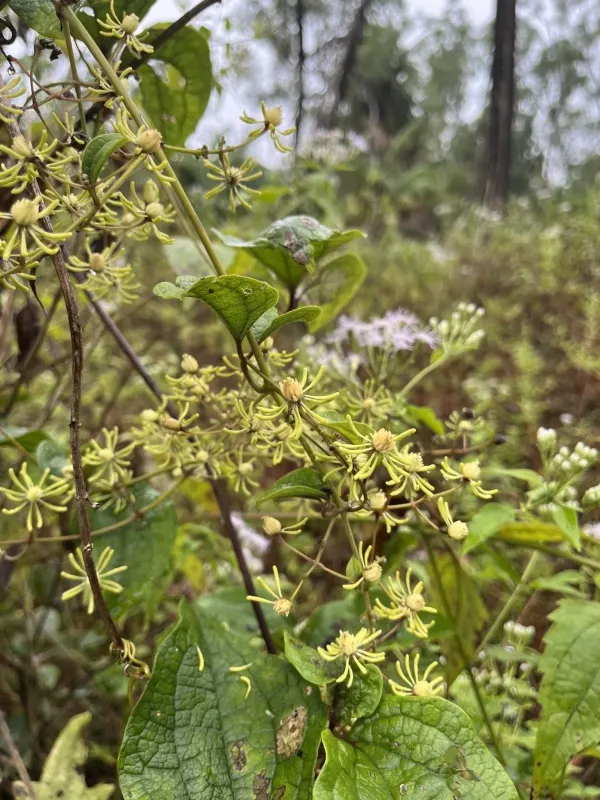
Ceylon clematis (Clematis zeylanica) is a perennial vine belonging to the Ranunculaceae family. Native to the tropical regions of Sri Lanka and parts of Asia, this species thrives in forest margins where it can climb toward the light.
The cultivation of this species requires well-drained, nutrient-rich soil with a neutral pH. It is essential to ensure that the growing site allows for deep rooting while maintaining constant soil moisture without causing waterlogging.
Environmental requirements include a warm, humid climate. Because the plant originates from tropical zones, it lacks high cold hardiness and is best suited for greenhouse cultivation or protected gardens in subtropical climates.
Botanically, it is characterized by compound leaves and delicate flowers that serve as a source of nectar for pollinators. The stems are semi-woody and require sturdy trellising to support their climbing habit.
In terms of agricultural use, this species is mainly grown for ornamental purposes in botanical gardens and specialized collections. Its unique morphology makes it a significant subject for research into the evolution of clematis species in the Asian tropics.
Main diseases and pests
The primary threats to Clematis zeylanica include fungal root rots, commonly caused by pathogens such as Fusarium, which thrive in poorly drained media.
Pest pressure often comes from spider mites and aphids, especially in glasshouse conditions where the air can become stagnant and dry.
Managing these threats requires strict hygiene practices, such as removing dead plant material and ensuring adequate ventilation to lower humidity levels when necessary.
Root-knot nematodes can also pose a serious threat in warm climates, potentially leading to stunted growth and nutrient deficiencies.
Integrated pest management strategies, including the use of neem oil and beneficial insects, are recommended to control infestations without damaging the delicate plant tissues.