
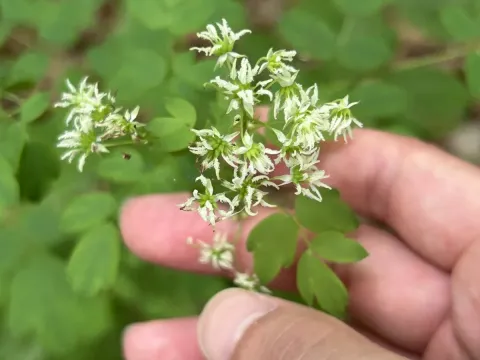
Purple meadow-rue
Thalictrum dasycarpum
Purple meadow-rue (Thalictrum dasycarpum) is a perennial herbaceous plant belonging to the Ranunculaceae family. In agricultural practices, seeds are typically sown in late autumn for winter stratification or in early spring following a chilling period.
What the section contains
Purple meadow-rue
For successful germination, seeds require a consistent temperature range of +15 to +20 °C. The seeds should be sown at a depth of 1-2 centimeters, ensuring they remain in moist soil until they establish a root system.
Vegetative propagation via rhizome division is a highly effective alternative to seeding. This method is best performed in early spring or autumn when the plant is dormant, ensuring a faster establishment of the crop.
For plantation establishment, a spacing of 40x40 centimeters is recommended. This density allows for adequate airflow and nutrient access, maximizing the yield of foliage or medicinal material over the growing season.
During the first two years of growth, the crop focuses on vegetative development. Growers should prioritize weed management and consistent soil moisture during this establishment phase to ensure longevity.
Thalictrum dasycarpum thrives in moist, fertile, and well-drained soils with a pH ranging from neutral to slightly acidic. It is adaptable to various light conditions, including full sun or partial shade.
Originating from North American forest edges and meadow ecosystems, this species is highly cold-hardy, making it a reliable perennial in temperate climates without the need for intense protection.
While the plant is hardy, it requires supplemental irrigation during prolonged drought periods to prevent stunted growth. Conversely, growers must avoid waterlogged conditions, as poor drainage promotes root rot.
Nutrient management is straightforward, with organic matter applied as a base fertilizer in early spring. This helps support the vigorous growth cycles common in healthy Ranunculaceae stands.
Environmental management involves keeping the plantation clear of dense, suffocating weeds that compete for light and soil nutrients, thereby maintaining the vigor of the medicinal harvest.
Purple meadow-rue is generally robust, but like many cultivated perennials, it can be susceptible to fungal diseases such as powdery mildew, especially in humid or overcrowded conditions.
Pests such as aphids or leaf-chewing insects may appear during the vegetative season. While they rarely cause crop failure, they can impact the quality of the harvested biomass if not managed.
Preventive agronomic practices, such as ensuring adequate plant spacing and proper site aeration, are the most effective ways to mitigate the risk of disease spread in commercial plots.
When chemical intervention is required, growers must choose options that are compatible with the intended end-use of the product, particularly if the plant is being grown for the pharmaceutical industry.
Regular monitoring of the plantation for early signs of infection or infestation is essential for maintaining a healthy yield and preventing the long-term degradation of the crop stand.
The harvest of aerial parts should occur during the peak flowering stage, as this is when the concentration of key bioactive compounds is highest. Precision in timing is critical for product quality.
Cutting is performed either mechanically or manually, ensuring that the base of the plant remains intact to allow for successful regrowth in the subsequent growing season.
Rhizome harvesting is typically conducted in the autumn once the plants have entered dormancy, as the nutrients have migrated to the underground storage organs at this stage.
Post-harvest handling involves immediate drying in well-ventilated, shaded areas. Controlled temperatures are vital to ensure the plant's medicinal properties are preserved without degradation.
Storage of the finished product requires cool, dark, and dry conditions. Proper moisture management in the warehouse prevents molding and maintains the shelf-life of the raw plant material.