
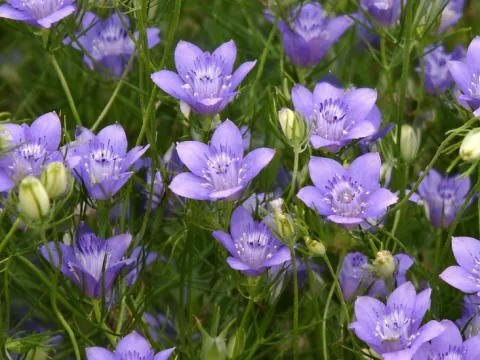
Nigella bucharica
Nigella bucharica
Nigella bucharica is an annual herbaceous plant belonging to the Ranunculaceae family. In temperate climates, seeds are sown directly into the soil in early spring once the ground temperature stabilizes between 8 and 10 degrees Celsius.
What the section contains
Nigella bucharica
The plant is relatively cold-hardy, allowing young seedlings to withstand light frosts that often occur during the early spring season. The ideal planting time is late April to ensure consistent growth and establishment.
Winter sowing in October is also a viable option in milder regions, which encourages earlier blooming cycles the following spring. Seeds should be planted at a shallow depth of 1 to 2 centimeters to ensure proper germination.
Germination typically occurs within 15 to 20 days after sowing, depending on soil moisture levels. Rows should be spaced 20 to 25 centimeters apart to allow for proper plant development and maintenance.
Target a planting density of approximately 30 to 40 plants per square meter. Avoiding overcrowding is essential to prevent etiolation and to maintain the plant's natural structural integrity and aesthetic appeal.
Nigella bucharica thrives in sunny, well-lit locations with light, well-draining soil. The species is highly sensitive to waterlogged conditions, which can lead to root system decay in heavy clay-based substrates.
Sandy or light loamy soils with a neutral to slightly alkaline pH are considered optimal for its cultivation. The plant possesses notable drought tolerance, requiring minimal supplemental irrigation except during prolonged heatwaves.
Avoid excessive use of nitrogen fertilizers, as these promote vegetative growth at the expense of floral production. A balanced, slow-release fertilizer applied during soil preparation is generally sufficient for the season.
The plant is sensitive to acidic soil conditions; therefore, liming is recommended for areas with low pH levels. Regular weeding during the early stages of growth is critical, as the species does not compete well with vigorous weeds.
In regions with significant rainfall, maintain soil structure through regular cultivation or hoeing to prevent crusting. Proper aeration around the root zone is a key factor in ensuring plant longevity and health.
Fungal diseases, particularly those triggered by high humidity and poor soil drainage, pose the primary threat to Nigella bucharica. Powdery mildew may affect the foliage during cool, humid summer periods.
Root rot is frequently associated with over-irrigation or planting in low-lying, damp areas of the garden. Preventing these issues involves selecting well-drained sites and practicing moderate irrigation schedules.
Pests such as spider mites and aphids are common, especially in hot, dry environments where they target the undersides of the leaves. Monitoring the foliage regularly allows for early detection and intervention.
Integrated pest management, including the use of targeted biological controls, is effective in preventing large-scale infestations. Maintaining a clean growing area by removing debris helps limit the overwintering of pathogens.
Adherence to crop rotation principles is advised to prevent the buildup of soil-borne pathogens. Avoid planting Nigella in the same area for at least three consecutive years to maintain soil health.