
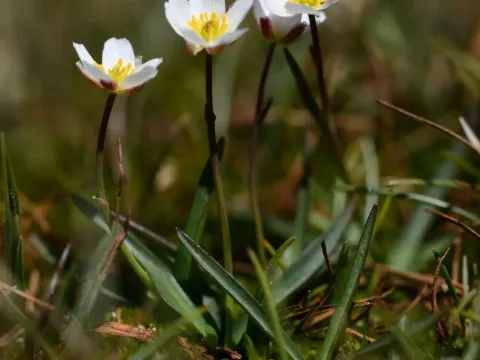
Narrow-leaved buttercup
Ranunculus angustifolius
The narrow-leaved buttercup, Ranunculus angustifolius, is a member of the Ranunculaceae family. It is a perennial herbaceous plant known for its specific ecological niche and unique physiological adaptation to high-moisture environments.
What the section contains
Narrow-leaved buttercup
The plant originates from mountainous regions in Europe. Its distribution area is closely linked to temperate climates, where it occupies moist meadows and stream banks, requiring consistent moisture levels to thrive throughout the growing season.
Cultivation requires well-drained but consistently damp soil. The optimal substrate is a rich, slightly acidic to neutral loam. It is crucial to avoid heavy soils where water retention can lead to root suffocation and eventual decay of the plant tissue.
Light requirements are significant for this species. It performs best in full sun to partial shade. Exposure to direct sunlight is necessary for robust photosynthesis, while some shelter from the hottest afternoon sun helps maintain soil moisture levels.
Standard agronomic practices for this crop involve maintaining organic matter levels in the soil. Regular mulching is recommended to stabilize soil temperature and suppress weed competition, which is vital during the initial establishment phase of the perennial crop.
Powdery mildew represents a primary fungal threat. High humidity combined with poor airflow creates an ideal environment for this pathogen, necessitating prompt application of systemic fungicides to protect the foliage.
Root rot is a major physiological and pathological threat. It usually occurs in compacted soil with poor drainage. Proper site preparation and the inclusion of organic materials are the best preventative measures against this issue.
Pests such as aphids and leaf miners can cause significant damage to the leaf structure. Integrated pest management strategies, including the use of beneficial predatory insects, are encouraged to reduce the reliance on harsh chemicals.
Nematode infestations can occur if the same site is utilized for several consecutive years. Crop rotation cycles of at least three to four years are essential to break the lifecycle of soil-borne pests and maintain site health.
It is important to emphasize that Ranunculus angustifolius contains protoanemonin, making it toxic if ingested by livestock or humans. Proper signage and handling procedures must be implemented in agricultural settings to ensure safety.