
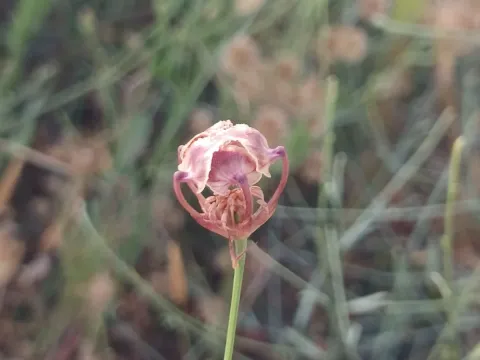
Nigella unguicularis
Nigella unguicularis
Nigella unguicularis, a member of the Ranunculaceae family, is typically established through direct seeding into open fields. The ideal sowing time is early spring, as soon as the soil temperature reaches at least 8–10 degrees Celsius.
What the section contains
Nigella unguicularis
The seeds of this crop require a shallow sowing depth of approximately 1–2 centimeters to ensure optimal emergence. Row sowing is recommended, maintaining a distance of 20–30 centimeters between rows to facilitate mechanical weeding and air circulation.
In regions with mild winters, autumn sowing can be performed, which often leads to earlier germination and an accelerated flowering phase. It is essential to monitor weather conditions to prevent premature germination before the onset of hard frosts.
When using mechanical seeders, precise calibration is vital due to the small size of the seeds. Over-densification of crops should be avoided to prevent plant competition and ensure consistent maturity across the field.
Soil preparation is crucial; the seedbed should be finely tilled and free of large clods. Maintaining consistent soil moisture during the germination stage is the most significant factor in achieving a uniform plant stand.
This crop thrives in open, sunny locations with excellent exposure to direct sunlight. Shading inhibits growth, leads to weak stem development, and significantly reduces the yield of seed capsules.
Nigella unguicularis prefers light, fertile loam soils with a neutral to slightly alkaline pH. Heavy clay soils should be amended with organic matter or sand to improve soil structure and prevent waterlogging.
Effective drainage is a fundamental requirement. The plant is highly sensitive to water saturation, which often triggers root rot and can lead to rapid crop failure in poorly drained areas.
While the plant exhibits moderate drought tolerance once established, consistent moisture is required during the active growth and budding phases. Water stress during these periods will negatively impact both seed size and oil quality.
Balanced fertilization is necessary, with a focus on phosphorus and potassium to support flower and seed development. Excessive nitrogen levels should be avoided, as they promote excessive vegetative growth at the expense of seed production.
The yield potential of Nigella unguicularis is heavily dependent on proper crop management and the timeliness of agronomic operations. With optimal growing conditions, the crop produces high-quality seeds efficiently.
The total yield is determined by the number of capsules per plant and the seed fill within those capsules. Proper thinning and weed management allow the plants to reach their maximum reproductive potential.
Harvest timing is critical; delaying the harvest can lead to the capsules splitting open, which causes significant seed loss through shedding in the field. Careful monitoring as the capsules mature is essential.
Economic value is derived from the seeds, which are used for their oil content and as flavorings. Variability in climate between seasons can influence the concentration of essential active compounds in the seeds.
To maximize financial returns, producers should aim for uniformity in maturity. Harvesting at the peak of maturity ensures higher seed weight and better storage longevity, resulting in a premium final product.
Root rot caused by fungal pathogens is the primary threat, particularly in poorly drained or waterlogged soils. Ensuring good soil aeration and implementing crop rotation are the best preventative measures.
Powdery mildew can affect the foliage in humid conditions. Maintaining proper plant spacing helps ensure airflow, reducing the risk of fungal spread, and systemic fungicides can be used if an outbreak occurs.
Pests like aphids may target the tender parts of the plants during the early vegetative stages. Regular field scouting is necessary to identify infestations early before they cause significant stress to the crop.
Proper post-harvest seed management is required to protect against storage pests. Clean, dry storage environments are essential to maintain the integrity of the harvested product.
- Treat seeds with appropriate fungicides before planting.
- Maintain optimal plant spacing to discourage disease spread.
- Keep the surrounding area free of weeds that act as host reservoirs.
Harvesting begins when the capsules turn brown or golden, and the seeds inside are firm and dark. Harvesting too early results in low-quality seeds with reduced germination energy and oil content.
Work should be carried out during dry weather to prevent mold development. Mechanical harvesting is possible with properly adjusted equipment to minimize damage to the delicate seed capsules.
Collected capsules must be dried under well-ventilated sheds to reach the correct storage moisture level. Direct sunlight during drying should be avoided to preserve the volatile essential oils in the seeds.
Once dried, the seeds are threshed and cleaned to remove plant debris. Proper cleaning ensures that no unwanted organic matter remains, which could otherwise facilitate spoilage during storage.
Storage should occur in a cool, dry environment with stable humidity levels. Regular monitoring of stored seed moisture content is essential to maintain high viability until the next sowing season.