
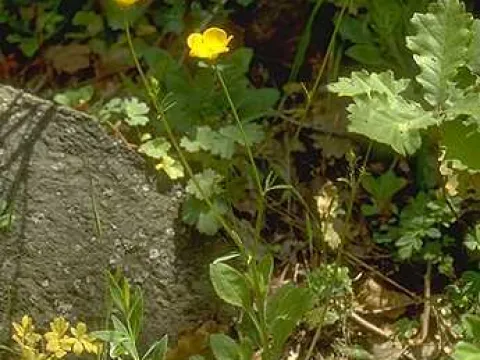
Neapolitan buttercup
Ranunculus neapolitanus
Neapolitan buttercup, belonging to the Ranunculaceae family, is typically sown in early spring when soil temperatures reach a consistent 10–12 degrees Celsius.
What the section contains
Neapolitan buttercup
Direct outdoor sowing is common, but in regions with harsh climates, it is advisable to protect the seeds with a layer of mulch to ensure successful wintering.
When starting indoors, seeds should be placed in shallow trays with a sterile, well-draining peat-based mix to prevent damping-off diseases during germination.
Seeds require light to germinate, so they should be covered only very lightly with soil or pressed gently into the surface of the sowing medium.
Maintaining consistent soil moisture is crucial during the germination phase, which usually lasts from two to four weeks depending on the environmental conditions.
This species thrives in sunny locations but benefits from partial afternoon shade in regions with intense summer heat to prevent foliage scorching.
Well-drained, nutrient-rich, loamy soil with a near-neutral pH is ideal for promoting healthy root development and vibrant flower production.
Regular irrigation is necessary, yet one must be careful to avoid waterlogging the roots, as excessive moisture often leads to rapid decay of the tuberous structures.
Fertilization with a balanced, water-soluble fertilizer during the active growth phase provides the necessary nutrients for robust stem and bloom development.
The plant requires adequate space for airflow; planting density should be managed to prevent high humidity buildup, which is a major factor for disease development.
Powdery mildew and various root rot fungi are the most prevalent diseases, often exacerbated by poor air circulation and damp, cool environmental conditions.
Aphids and spider mites are the most common pests, capable of causing significant damage to the plant by feeding on the sap of young shoots and leaves.
Early intervention with systemic fungicides is recommended to curb the spread of fungal infections before they affect the overall plant health.
Integrated pest management strategies, including the removal of infested leaves and the encouragement of beneficial insects, are preferred for sustainable control.
Keeping the garden bed weed-free is essential, as weeds often host pests and diseases that can easily transmit to the buttercup population.
Seed harvesting should occur once the seed pods begin to turn brown and dry, usually in late summer, before they crack and release their contents.
After harvesting, seeds must be thoroughly dried in a cool, dark, and well-ventilated area before being stored in cool conditions for the following season.
Flowers intended for decorative use are harvested at the bud stage to maximize their vase life and ensure they fully open in indoor environments.
Division of the root tubers can be performed after the foliage dies back to the ground, which allows for vegetative propagation of established clumps.
Stored tubers should be kept in a breathable container with peat moss at temperatures between 5 and 8 degrees Celsius to maintain dormancy until spring.