
Nigella papillosa
Nigella papillosa
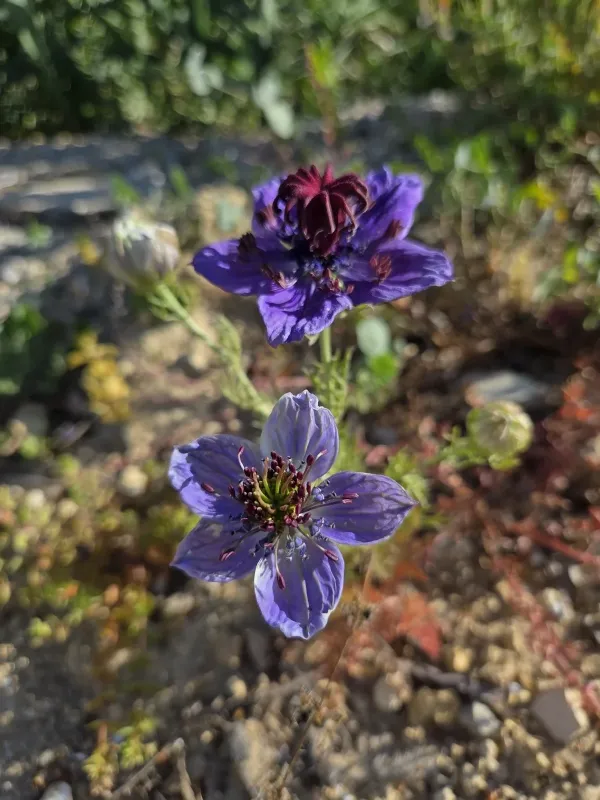
Description
Sowing dates
Nigella papillosa is an annual herbaceous plant belonging to the Ranunculaceae family, widely grown for its seeds and ornamental value.
The ideal sowing time is early spring once the danger of severe frost has passed and soil temperature is stable at 8-10 degrees Celsius.
Seeds should be planted at a shallow depth of 1-2 centimeters in rows spaced 30 centimeters apart to allow for proper airflow.
Germination typically occurs within two weeks, requiring consistent moisture in the top layer of the soil during this critical phase.
Thinning out seedlings is necessary to maintain a spacing of 15-20 centimeters, which prevents overcrowding and competition for nutrients.
Growing requirements
This crop thrives in sunny, open locations, as high solar exposure is essential for the maturation of its seed capsules.
Nigella papillosa prefers well-draining, fertile soils and performs poorly in heavy, clay-based substrates that hold excessive moisture.
While the plant is somewhat drought-tolerant once established, regular irrigation during the budding phase significantly increases yields.
The soil pH should ideally be neutral or slightly alkaline, promoting healthy root development and efficient nutrient uptake.
Fertilization with balanced mineral supplements should be done sparingly, as excess nitrogen often leads to excessive leaf growth at the expense of seed production.
Main diseases and pests
Powdery mildew is the most common disease for Nigella papillosa, particularly in regions with high humidity or stagnant air circulation.
Spider mites can become a major issue during hot, dry spells, causing the leaves to yellow and the plant to lose vigor.
Crop rotation is recommended to minimize soil-borne pathogens and to keep the field free from persistent broad-leaved weeds.
Monitoring the fields early in the season is vital to identify potential pest outbreaks before they spread across the entire crop area.
Integrated pest management, including natural predators and selective fungicides, is the preferred method for maintaining crop health.
Harvesting
Harvesting should be timed when the seed pods have turned brown but have not yet fully cracked open to release their seeds.
Stems are typically cut and gathered into bundles, then hung in a cool, ventilated area to allow the seeds to mature completely.
Once dried, the capsules are threshed to release the seeds, which are then cleaned to remove chaff and debris.
Proper drying is essential to bring the seed moisture content down to safe levels for storage, usually below 10%.
Storage should be in cool, dry conditions with good ventilation to preserve the quality and oil content of the seeds.